Purpose-Built AI for Courts, Capitols & Agencies
Project Fortress brings structure and AI-driven efficiency to government legal and legislative operations. Built on Salesforce, the platform gives legislatures, courts, attorneys general offices, and government agencies a single system for managing bills, cases, matters, and constituent work.
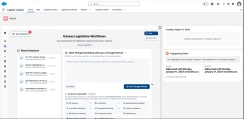
For state legislatures, Fortress supports the full lifecycle of a bill: drafting, session coordination, and constituent outreach. AI agents assist legislators and personnel in drafting legislation, conducting state-specific research, and analyzing complex financial and legal documents through the strategic lens of the user. The Fortress Capitol Copilot provides the legislature with the AI-powered tools necessary to be 75% more efficient in session and produce maximum public benefit.
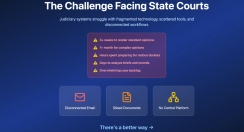
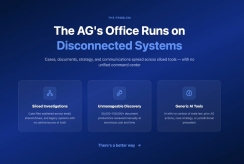
For judiciary and attorney general offices, Fortress centralizes case and matter management for chambers, clerks, and legal staff. AI-powered research tools search case law and precedent, analyze briefings, and draft opinions grounded in prior rulings. A pro se compliance tool reviews self-represented litigant filings against local court rules and produces compliance reports for clerks and litigants alike. Attorney general offices use the same foundation for e-discovery, reviewing large document sets, and routing incoming matters to the right team.
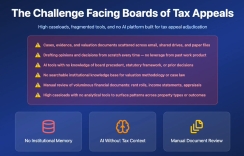
Agency operations tools extend this structure across departments: inter-agency collaboration features track shared matters and issues, fraud and abuse detection workflows flag irregularities for investigation, and budget compliance monitoring supports zero-balance reporting and waste reduction. Performance analytics and a transparency dashboard give leadership visibility into outcomes and audit trails across the organization.
Rather than layering AI on top of disconnected systems, Fortress integrates CRM, email, project management, and document collaboration into one Salesforce-powered environment, accessible to an entire team from day one. The platform runs on Salesforce GovCloud and meets NIST 800-53 controls, FedRAMP authorization, and StateRAMP and CJIS requirements, giving state and local government offices a secure foundation for legal and legislative work.
Early results include a 75% reduction in administrative overhead, 60% faster legal research and drafting, and full transparency and compliance tracking across matters.