AVAILABLE 24x7
888.662.2724
AVAILABLE 24x7
(888) 66CARAH
Fast & Accurate
Request A Quote

Quick Response
Chat With Us





Bastille Podcast
The Risks of Smartphones on US Military Ships
Wednesday, February 4, 2026
Hosted By: Bastille & Carahsoft
Summary
The Department of Defense (DoD) must ensure the confidentiality of military vessels locations by mitigating the use of mobile devices, unauthorized wireless activity and radio frequency (RF) based threats. To identify active device emissions and enhance operational security, Bastille’s wireless intrusion detection system leverages smartphones, commercial satellite networks and advanced geolocation techniques to identify their own RF signatures before adversaries can exploit them. Access the Bastille podcast to hear Scott Stapp, a retired Air Force general and former CTO at Northrop Grumman, discuss airspace security challenges and the need for proactive RF monitoring tools. Discover the importance of implementing device policies, operational security (OPSEC) education and practical solutions like Faraday bags and RF detection systems to defend against wireless threats. Fill out the form to unlock the Bastille podcast and discover how your organization can protect mission-critical environments with wireless intrusion detection systems.
Speakers
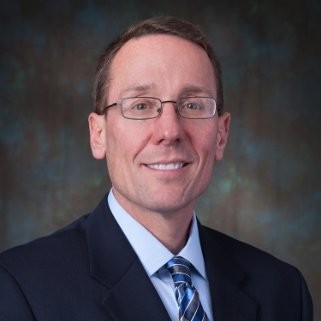
Scott Stapp
CTO and CRO
DEFCON AI
Scott Stapp is a retired U.S. Air Force general officer with 30 years of military service and over a decade of senior leadership in the defense industry. After retiring from the Air Force in 2015, he spent 10 years at Northrop Grumman, culminating in his role as Chief Technology Officer. He now works in the artificial intelligence and venture capital space at DEFCON AI, focusing on advanced defense and AI-driven technologies.
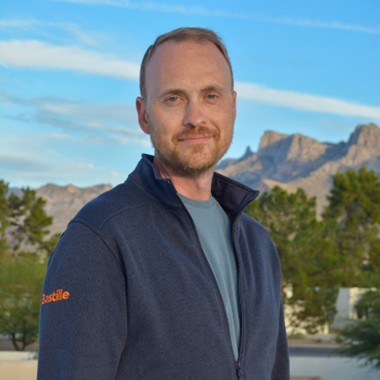
Brett Walkhorst
CTO
Bastille
He is an electrical engineer specializing in RF signal processing with extensive experience leading large-scale research and development programs. He has managed over $6M in academic research, driven more than $90M in antenna measurement business through technical innovation, and led the capture of $24M in wireless communications R&D contracts. He is currently CTO at Bastille, where he leads threat research and provides technical leadership across product, marketing, and sales. He has published extensively and holds multiple patents and trade secrets.