Top 5 Insights from IACP Annual 2025 

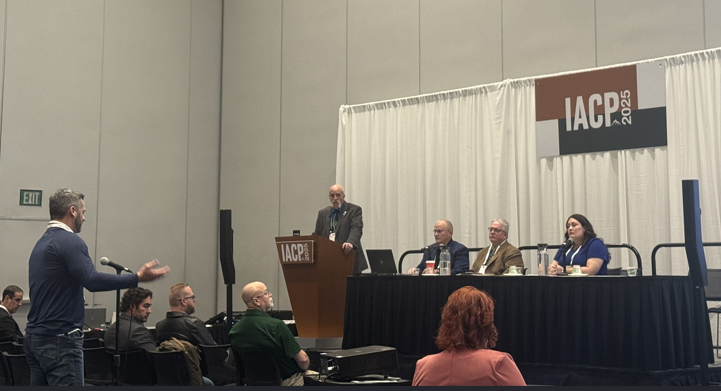
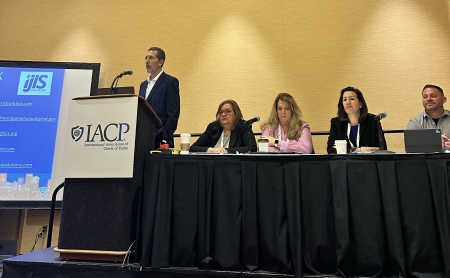
The 2025 International Association of Chiefs of Police (IACP) Annual conference served as a premier gathering for law enforcement and partners to share the latest in technology and industry solutions.

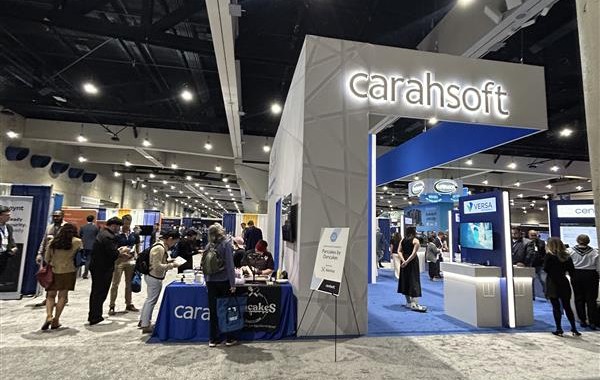
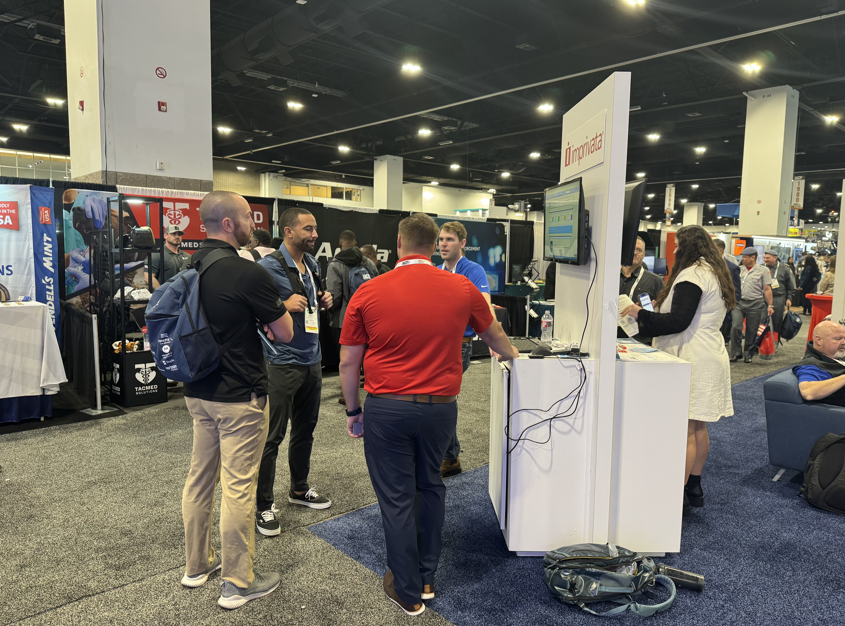
Carahsoft and its partners attended to connect on the latest in law enforcement technology.  

Five key themes stood out throughout the sessions:  

1. AI-Assisted Investigations 

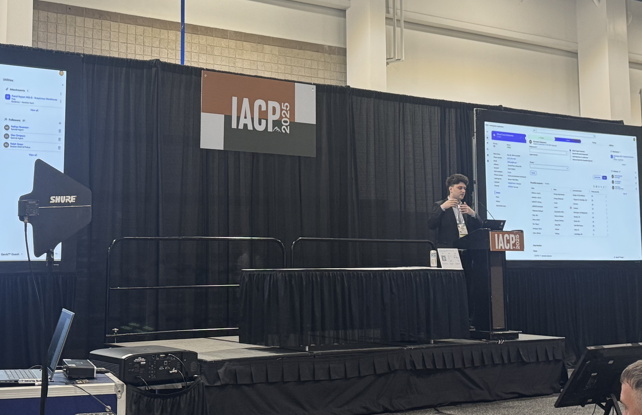
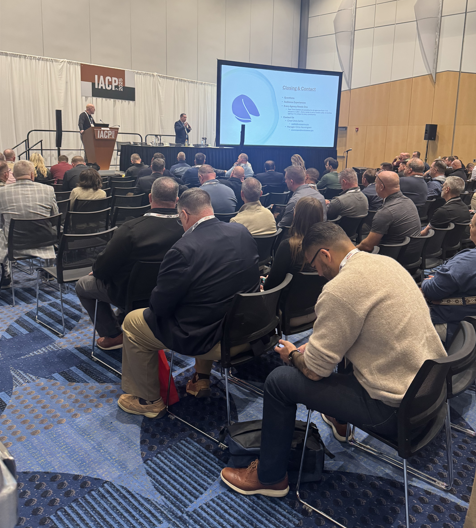
In the session “The AI-Powered Investigator: Surfacing Insights in Law Enforcement,” speaker Jeremy Peterson presented on leveraging artificial intelligence (AI) to enhance law enforcement investigations while maintaining compliance and auditability. While AI offers tremendous potential for supercharging investigations, its function as a “black box” means it lacks the transparency required in regulated environments. With the use of multiple specialized AI agents, law enforcement can utilize guardrails and clear audit trails for working within structured workflows, rather than relying on a single generic AI. In one case study, Special Agent Isabella Rossi investigated a multi-state burglary operation, where AI identified connections between stolen crypto-mining hardware and a warehouse fire, helped draft legal documents like subpoenas and generated lookout alerts. Solutions from industry innovators such as Veritone and Tranquility AI are already helping agencies put these concepts into practice, offering AI-powered tools that enable law enforcement agencies to rapidly analyze data and tailor solutions to their specific workflows, expediting investigation processes.

2. Protecting Officers Through Drones 

In the panel “Don’t Let Them Go in Blind: Evolving Drones as First Responders to Protect Every Patrol Officer,” speakers discussed the role of comprehensive Drones as First Responders (DFR) for law enforcement. DFR designed with public safety in mind effectively address critical challenges in the field, including staffing shortages, response times and officer safety. Outdoor DFR systems, which are currently operational across multiple jurisdictions with multiple docks per city responding to thousands of monthly calls, have demonstrated the ability to arrive on scene in under two minutes, reduce crime through rapid visual documentation, decrease use of force incidents and clear 20-40% of calls without officer dispatch. New indoor drones address the situational awareness gap that occurs when officers enter buildings, providing capabilities for confined space navigation, perching for up to three hours, two-way communication replacing traditional throw phones, 4K night vision and obstacle avoidance technology. They are all deployable within 30 seconds from a patrol vehicle. The new technology offers remote piloting, freeing officers to focus on incident command rather than drone operation. 

3. Instant Translation with AI Services 

At the panel “Enhancing Emergency Communications with an End-to-End AI Assistive Platform,” speaker Brad Flanagan, Prepared’s Public Safety Answering Point (PSAP) Ambassador, discussed how AI-powered platforms are improving the efficiency of for 911 emergency call centers by providing comprehensive support and incident resolution. Translation-based AI systems, such as those created by Prepared and Hyper, offer real-time language interpretation in over 240 languages through text, automatic transcription and AI agent conferencing, significantly reducing wait times for interpreters and improving emergency response, including instances where cardiac arrests and domestic violence situations were handled more effectively. The platform consolidates multiple location verification systems into a single interface, reducing address errors from six per month to a timeframe of six months, despite having less experienced staff. AI translators enable rapid incident review and reporting by automatically organizing call recordings, radio traffic and transcripts, reducing review time. The current system includes AI-assisted call triage during high-volume situations, post-call performance analysis within two minutes, live guidance for call-takers on protocol-specific questions and training simulations for staff development. AI platforms provide field responders and administrators with real-time data insights and analytics to improve emergency response quality and efficiency. 

4. Cybersecurity in the Modern Age 

During the session “Cyber Threats to Critical Communications Systems,” speaker Travis Randall discussed the evolving cybersecurity threats that Public Safety organizations face. Agencies are increasingly vulnerable due to their combination of sensitive data and critical high-availability systems, such as dispatch, 911 and radio networks. The primary threat is ransomware groups, who often operate through a sophisticated criminal ecosystem of developers, affiliates and access brokers, conducting attacks at scale that have significantly disrupted emergency communications. Randall details how these attacks typically exploit valid credentials, unpatched vulnerabilities, misconfigured VPNs and weak access controls to compromise networks, often using legitimate system tools rather than obvious malware to evade detection. To stay on top of ransomware groups, agencies must employ essential defensive measures like offline backups, multi-factor authentication, privilege management, vulnerability patching and continuous network monitoring.  

5. Improving Awareness with Real-Time Crime Centers 

In the session “Real-Time Crime Centers: A Real Possibility for Small and Midsize Agencies,” speakers Chris Henningsen, President at the National Real Time Crime Center Association, and Chris Settle, Police Chief of Culpeper Police Department, discussed the operation of real-time crime centers. The speakers emphasize that real-time centers serve as technology hubs providing situational awareness and acting as force multipliers during staffing shortages, are attainable for agencies of all sizes. Centers can start small with minimal resources, such as a computer, radio and analyst, and scale over time based on demonstrated successes and measurable outcomes. Key components include integrating existing resources like traffic cameras, body-worn cameras, license plate readers, drones and community partner camera feeds to provide officers with critical information before arriving at scenes, often achieving response times of seconds rather than minutes.  

Some of the benefits include that real-time crime centers can: 

  • Reduce investigation time with camera networks and LPR technology 
  • Enhance recruitment and retention by demonstrating technological investment and officer safety support 
  • Enables officers to connect with back-up support, who can view footage and provide aid in real-time 

Henningsen and Settle stress that effective implementation requires cross-training staff, tracking progress through data analytics and continuously pursuing partnerships with technology vendors, such as Flock Safety, to share resources and best practices.  

Maintaining pace with the evolving technology landscape ensures that law enforcement and confidential data remains protected. Through AI, real-time crime centers, drones and ransomware protection, law enforcement remains committed to protecting civilians.  

Missed IACP Annual? Attend Carahsoft’s 2026 law enforcement innovation summit to learn more about the latest technology and solutions in law enforcement.  

The Top 6 Insights from GEOINT 2025 

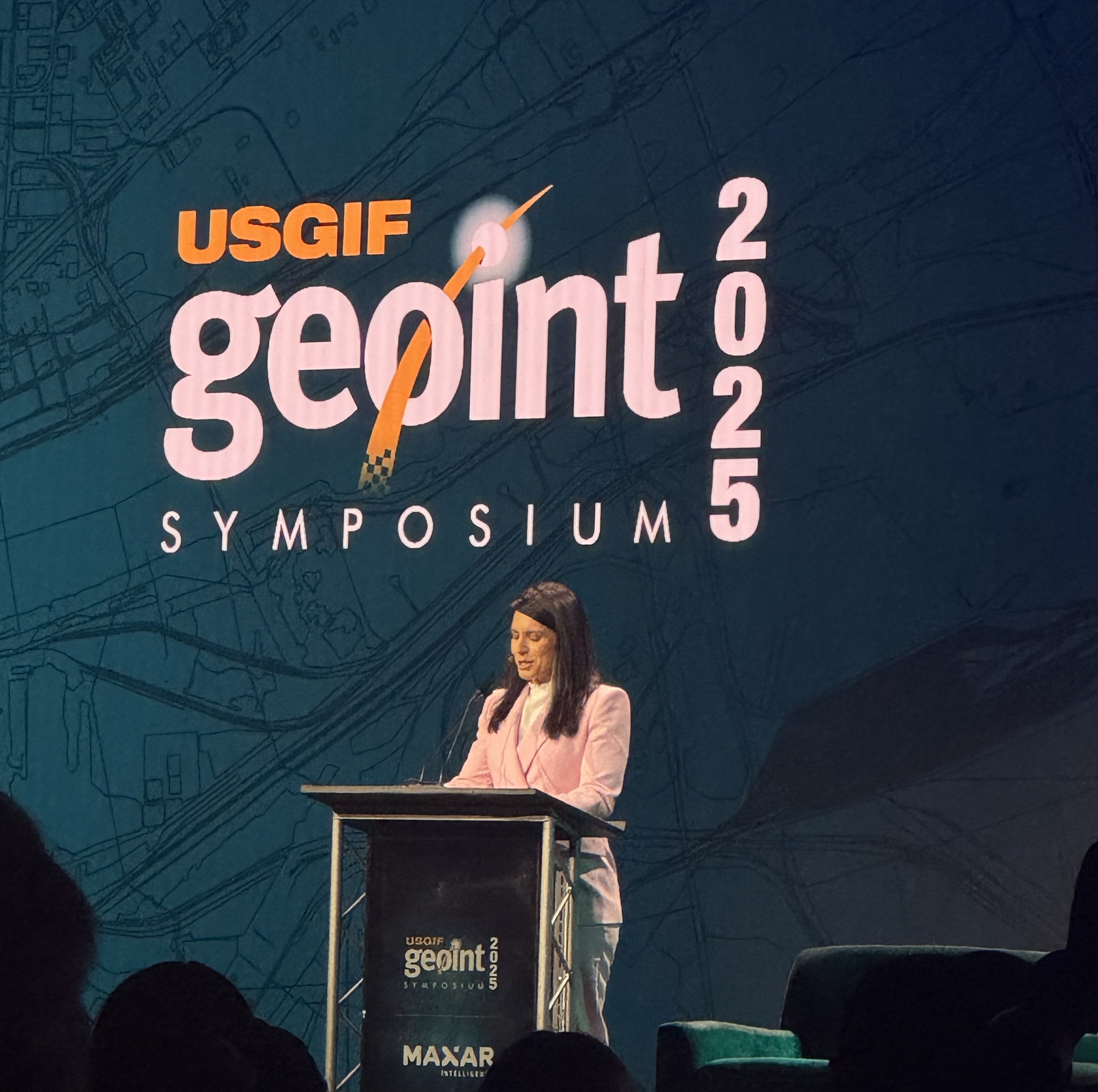
Geospatial intelligence (GEOINT) stands at the forefront of national security innovation, where cutting-edge technologies are rapidly transforming how decision-makers understand and respond to global threats.  

At GEOINT Symposium 2025, industry experts, Government officials and thought leaders joined to discuss the latest technology innovations. This year’s conference saw discussion centering around several topics, such as the integration of artificial intelligence (AI), workforce development and new innovations.  

Carahsoft and over fifty of our technology partners attended to showcase solutions in AI, cybersecurity and more to support GEOINT mission objectives. Watch all GEOINT sessions to discover how emerging technologies, policy shifts and mission priorities intersect across the Public Sector.

Here are my top six takeaways. 

Global Intelligence Coordination and Artificial Intelligence Integration 

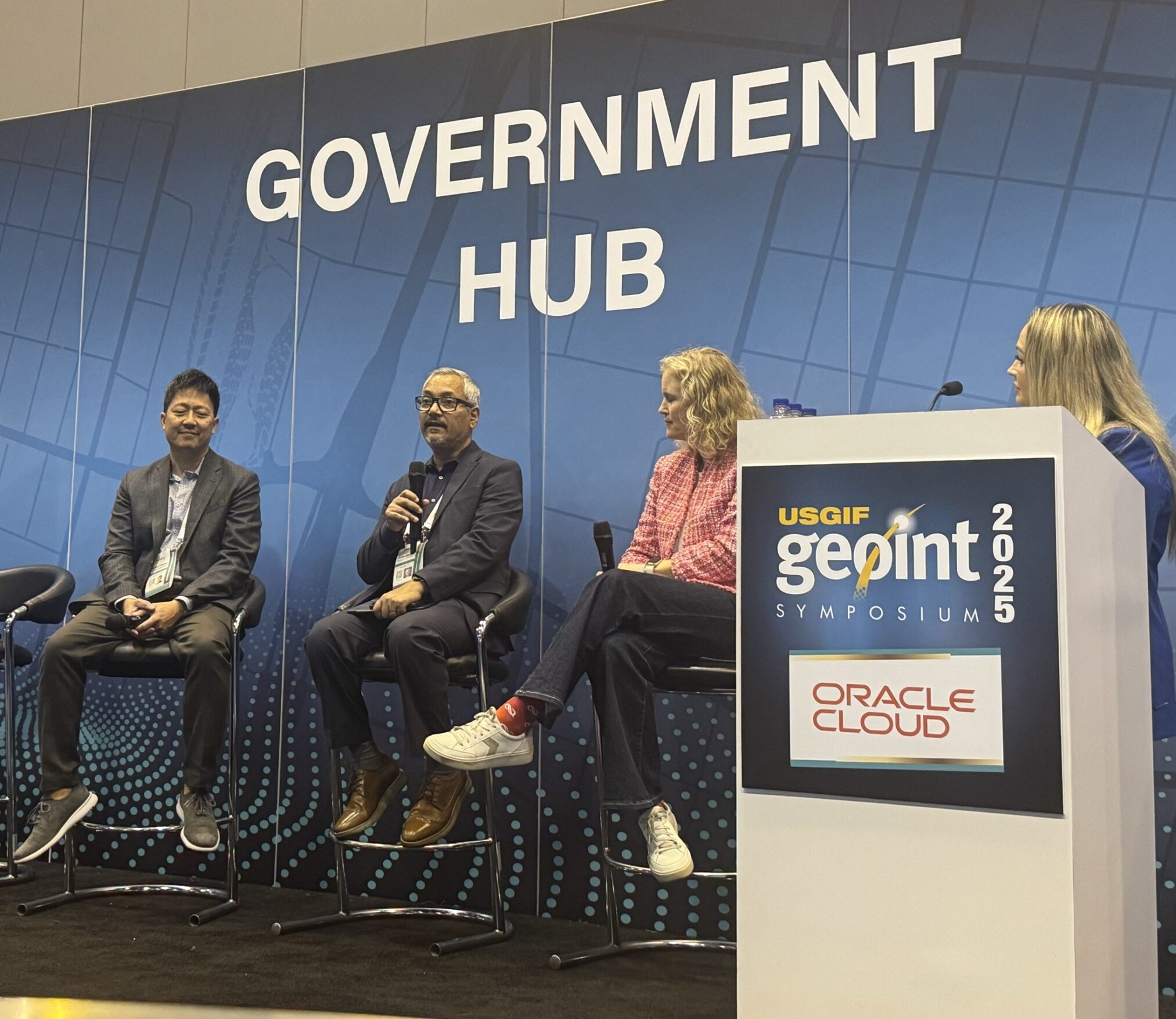
In the session “Global Intelligence, Local Impact: Source and Analysis at the Speed of Mission,” speakers Gary Dunow, the Executive Vice President at USGIF, Tracy Maloney, the Deputy Director of Source Operations at National Geospatial-Intelligence Agency and Shelby Pierson, the Director of Analysis at National Geospatial-Intelligence Agency discussed tools that maximize efficiency to help fulfill mission objectives. The National Geospatial-Intelligence Agency (NGA) aims to form efficient partnerships that enhance operational effectiveness across all Combatant Commands (COCOMs), and help with the development of streamlined tools that support current DOD intelligence needs. Change detection capabilities, large language models (LLMs) and other AI models are becoming increasingly valuable, with NGA focusing on building confidence in these technologies while curating essential content. The intelligence community is prioritizing geolocated open-source reporting through two active opportunities: metadata tagging to address imagery gaps regardless of source, and cross-domain solutions enabling seamless integration of varied intelligence sources from both domestic and foreign origins. Tulsi Gabbard, the Director of National Intelligence (DNI), emphasized the importance of proactive information sharing rather than waiting for agency requests, while simultaneously building workforce trust in AI through mechanisms for expressing concerns, understanding risks, acknowledging early adoption already underway and cultivating confidence in these emerging technologies. 

Rapid Space-Related Intelligence Sharing 

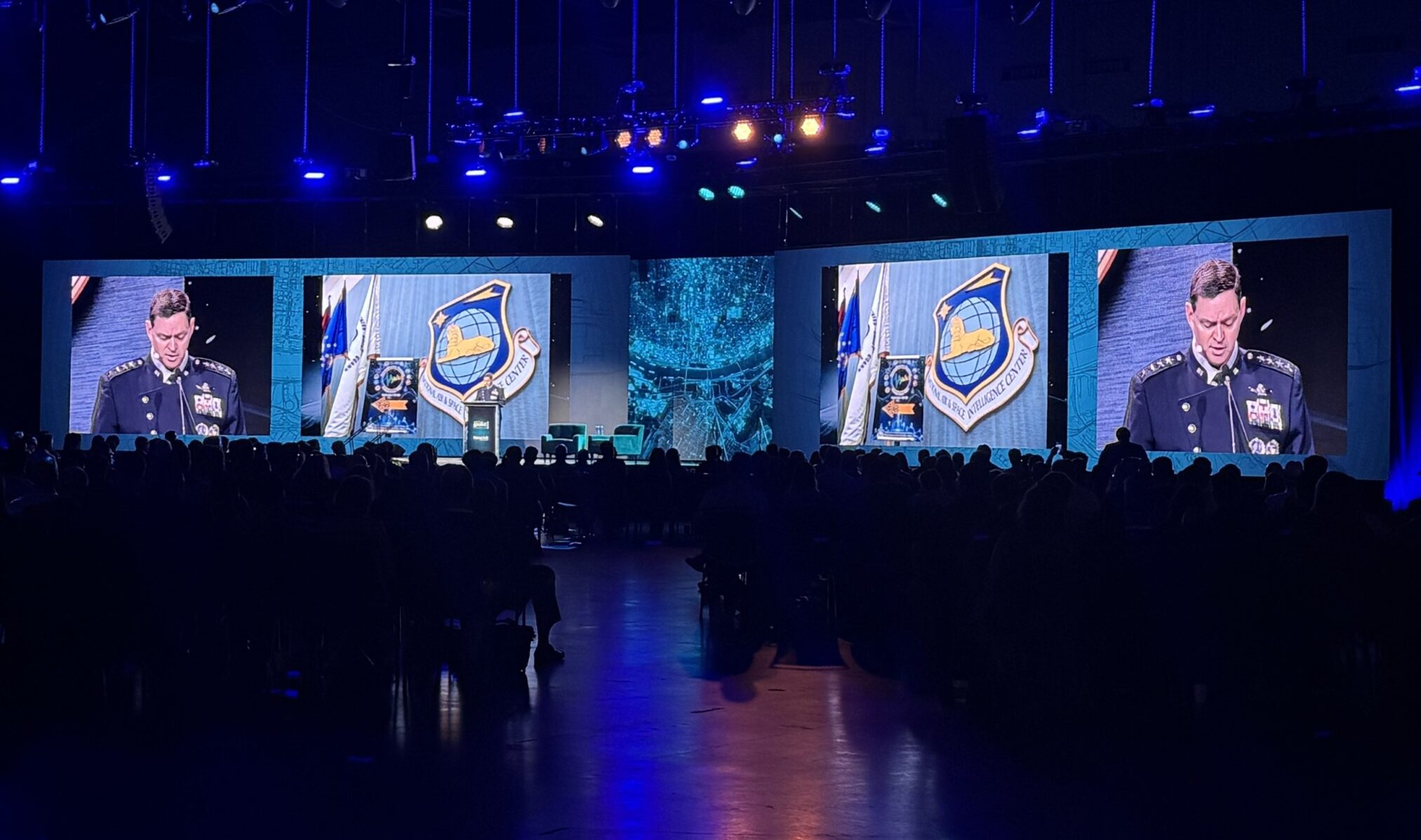
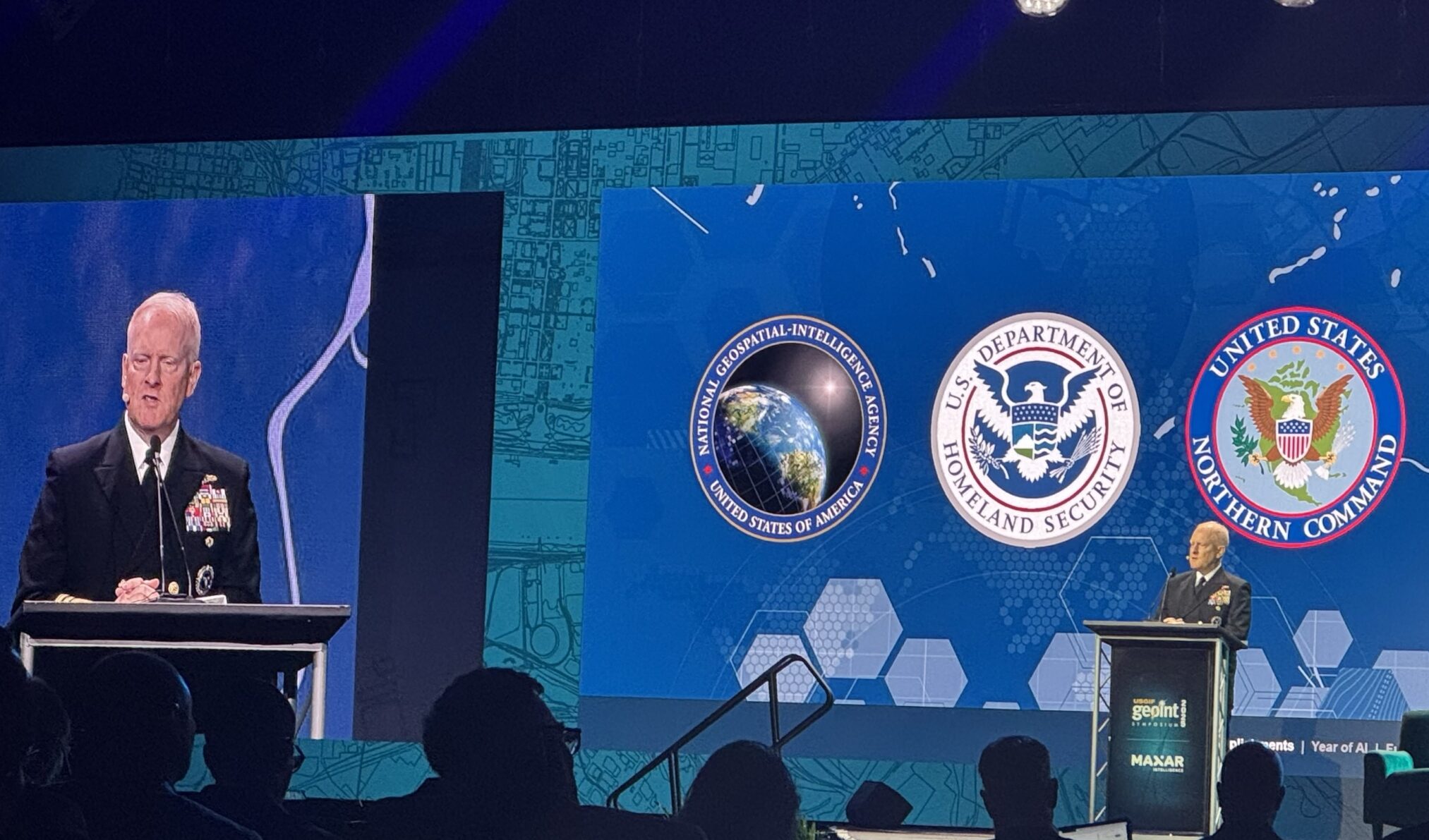
The U.S. Space Force and NGA signed a memorandum of agreement at GEOINT, which was discussed at the keynote hosted by General Chance Saltzman, the Chief of Space Operation at U.S. Space Force, Vice Admiral Frank Whitworth, Director at the NGA, and Dan Smoot, the Chief Executive Officer at Maxar Intelligence.  

This memorandum comes from the demand for faster access to space-based intelligence for military missions. The agreement enhances intelligence sharing by streamlining coordination between the National Reconnaissance Office (NRO)’s collected commercial satellite imagery, the NGA ‘s data analytics that produce comprehensive intelligence products and the Space Force, who then delivers space-related intelligence to military commanders through its Tactical Surveillance, Reconnaissance and Tracking (TacSRT) program. Through this memorandum, the military gains rapid situational awareness and heightened synergy across Federal agencies. This collaboration streamlines intelligence sharing, enabling faster and more efficient coordination between  

GEOINT Initiatives 

In her keynote address, Tulsi Gabbard, the Director of National Intelligence of the United States, outlined the Federal approach to GEOINT initiatives, which emphasizes peace maintenance and military readiness. According to Gabbard, to maintain excellence, the Federal Sector must maintain pace with trending technology. Gabbard addressed procurement challenges facing small businesses and stressed the administration’s commitment to technology advancement, geospatial funding priorities and cross-agency partnerships. One such technology, AI, represents both a challenge and opportunity to transform geospatial professional roles without replacing human expertise. The Intelligence Community’s primary focus is conflict prevention rather than winning conflicts, with the GEOINT discipline building crucial trust.  

NATO Priorities in Intelligence and Defense 

The North Atlantic Treaty Organization (NATO) is actively investing in cutting-edge technologies across the space and sea. During Major General Paul Lynch, the Deputy Assistant Secretary General of Intelligence and NATO International Military Staff’s keynote address, he discussed Federal priorities to integrate AI to stay ahead of emerging threats. In response to these evolving threats, NATO has launched ambitious military exercises, including STEADFAST Defender 2024. One of NATO’s largest military exercises, STEADFAST Defender 2024 is actively pursuing digital transformation and intelligence sharing across while developing closer partnerships with industry experts. NATO’s recent initiatives with the private sector have launched underwater vehicles to aid in mission objectives of remaining at the forefront of defense.  

Education and Workforce Development in Geospatial Intelligence 

During her keynote address, Tulsi Gabbard emphasized that the geospatial field faces a critical shortage of young talent. Government programs that provide opportunities for new generations are important to inspiring growth. One such program is the United States Geospatial Intelligence Foundation (USGIF)’s “GEOINT Symposium Young Professionals Golden Ticket”, which provides mentoring sessions with GEOINT professionals and opportunities at USGIF events. Carahsoft’s Geospatial Internship Program is another opportunity for incoming professionals. Pathways for further educational curriculum development were discussed at the session “Keynote: Digital Twins and GEOINT – Transforming Intelligence with 3D Analytics.” This keynote offered encouraging developments that will allow the incoming workforce to get involved. The field is becoming increasingly accessible, with open-source data platforms, such as GitHub, significantly lowering entry barriers for newcomers. New opportunities in low-code and no-code environments have been created. While the speakers acknowledged a current pause in Government hiring, the democratization of geospatial technology allows students with creative mindsets to leverage open-source data to enter geospatial careers. 

A Hub for Geospatial Capabilities 

St. Louis is establishing itself as the epicenter of GEOINT and geospatial efforts. At his keynote session, Senator Eric Schmidt discussed the coordinated statewide university initiative to train the next generation of professionals and anchored with the T-Rex innovation center. This transformation is further enhanced by the new geospatial employment pilot program headquartered at the NGA West, recognizing GEOINT’s critical role in providing commanders with clearer operational pictures. As military leaders increasingly demand more ISR (Intelligence, Surveillance, and Reconnaissance) and GEOINT capabilities, strategic investments in people, partnerships and platforms continue to provide the United States with its competitive edge in the intelligence domain. 

Through developments for the future workforce, marine technology and defense initiatives, the GEOINT community maintains the nation’s security. As industry, Government and academia come together, these efforts ensure the United States remains prepared to meet global challenges with agility, innovation and intelligence-driven precision. 

To learn more about the innovative technologies featured at GEOINT, visit Carahsoft’s Geospatial portfolio.  For additional research into the key takeaways that industry and Government leaders presented at GEOINT, view Carahsoft’s full recap. 

SOF Week 2025: Top 5 Insights on Interoperability, Artificial Intelligence and More

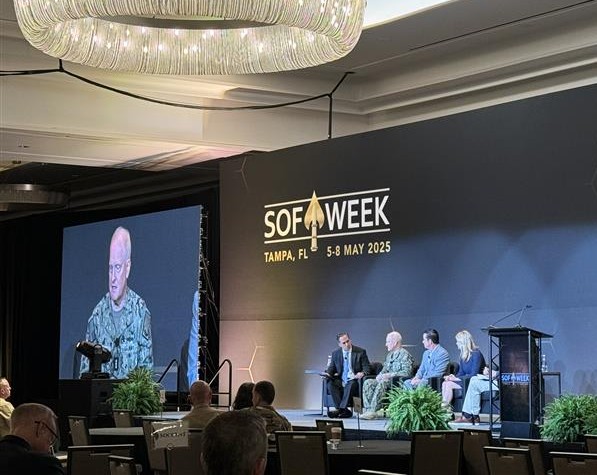
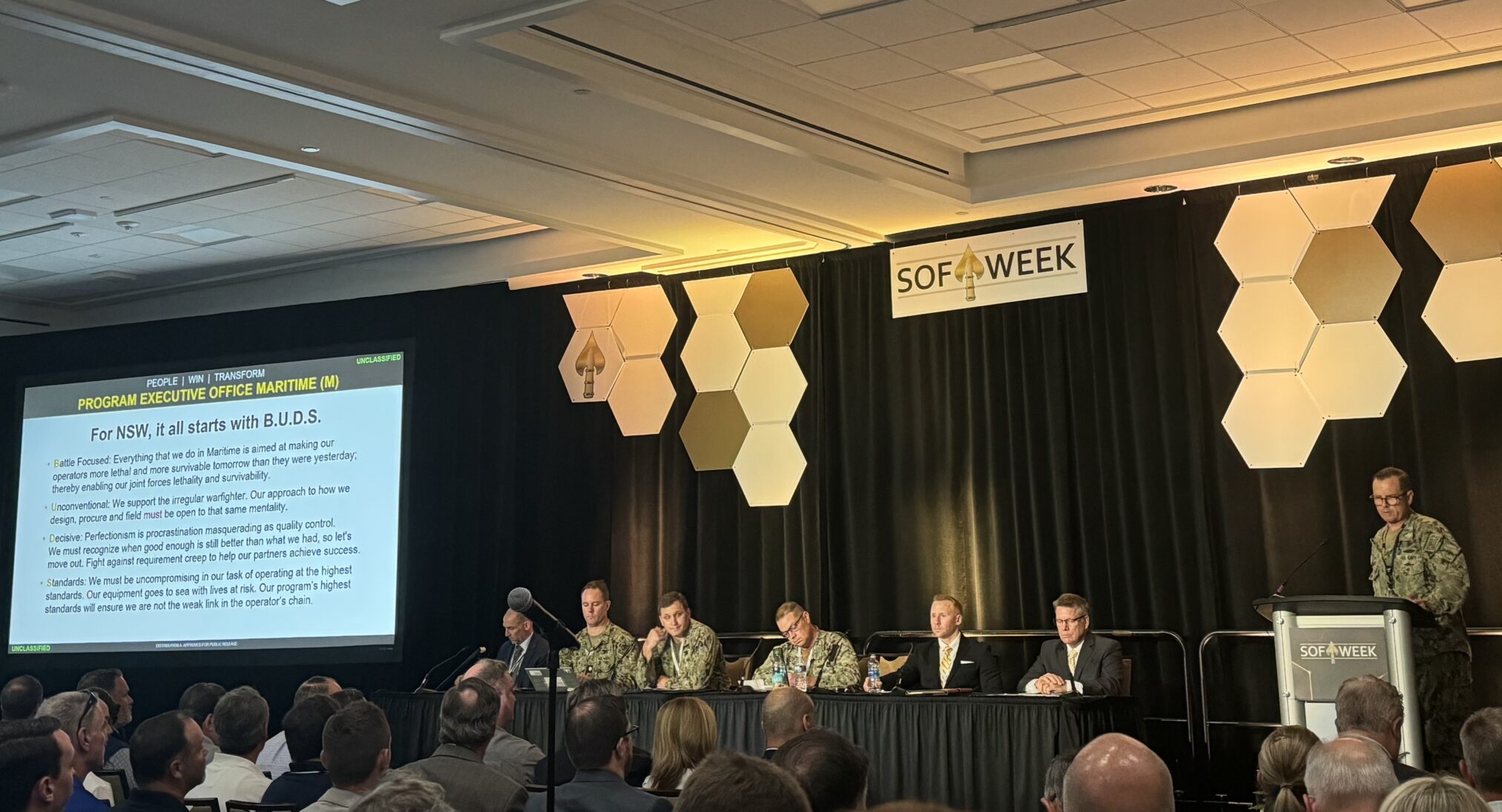
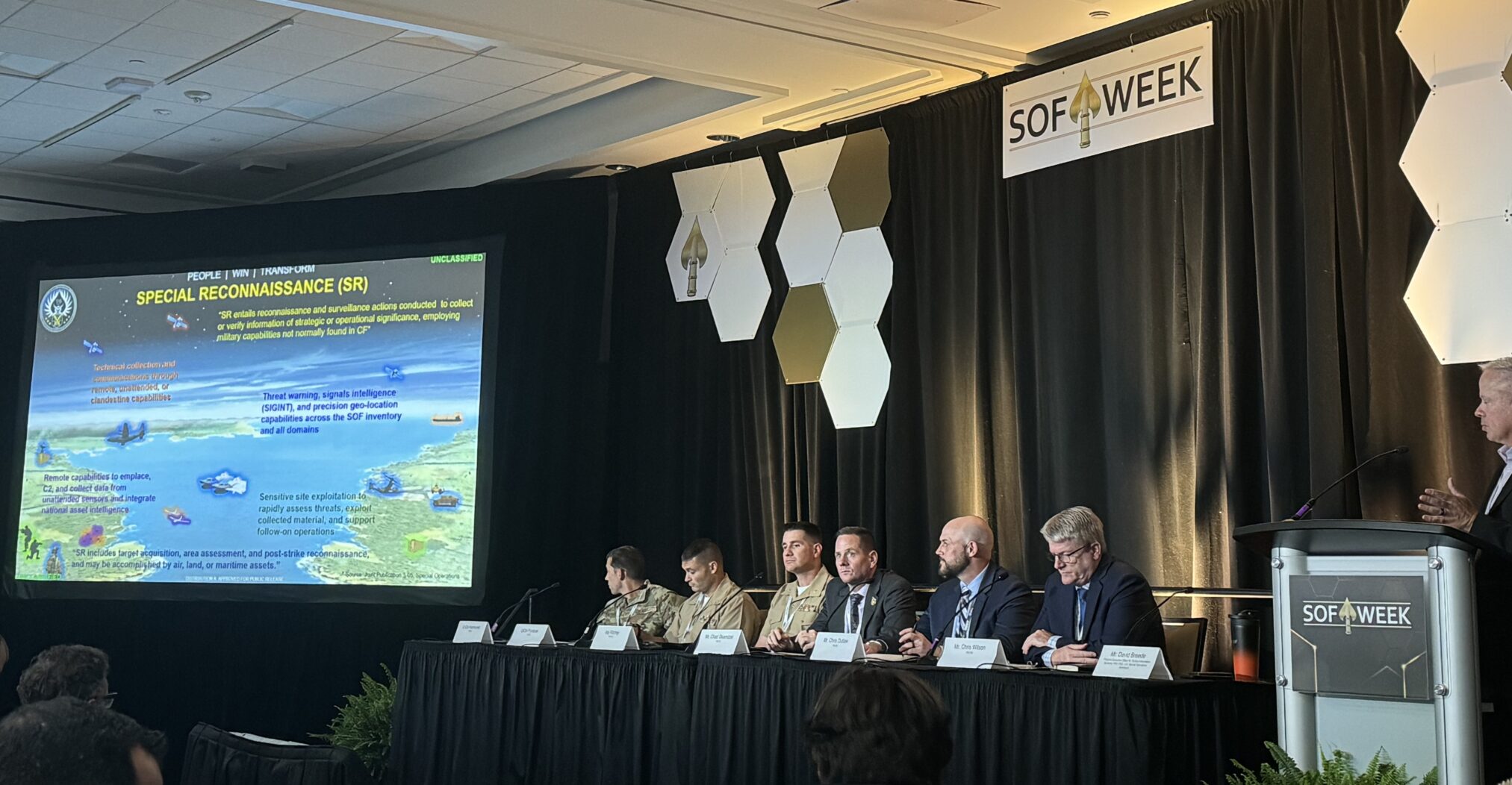
Effective defense often relies on operations that are agile, adaptable and focused. Special Operations Forces (SOF) Week 2025 is an international conference for thought leaders, Government representatives and key military decision-makers involved in the Department of Defense (DoD). Jointly hosted by the United States Special Operations Command (SOCOM) and Global SOF, the conference platformed discussions surrounding the improvement of cybersecurity and technology within SOF.

This year, Carahsoft and over fifty of our technology partners attended to showcase solutions in artificial intelligence (AI), cybersecurity and much more, supporting SOCOM and DoD mission objectives.

The SOF Week conference featured five key themes for attendees to learn about.

Leveraging Artificial Intelligence to Achieve SOF Objectives

One of SOCOM’s innovation priorities is to onboard products that have AI integrations, uncrewed and autonomous systems, power computing and quantum capabilities. In the session “Keynote Address: U.S. Special Operations Command Team,” speakers General Bryan P. Fenton, Commander of USSOCOM and the Command Sergeant Major Shane Shorter, Senior Enlisted Leader of the USSOCOM, discussed optimizing the computing power of adapted technology to maintain pace with adversaries. By providing the needed tools, SOCOM can help reduce the cognitive load placed on personnel.

In the session “PEO Overview: Tactical Information Systems,” speaker Chad Skiendsiel, the PM for Transport Systems, PEO TiS, requested multiple AI capabilities that would be useful to SOCOM operations. These are:

  • Automation of data and containerization
  • Software infrastructure that enables more containerization of data and configuration.
  • Commercial solutions that can enable classified data computing as well as compute power out to the edge
  • Embedded computing that can be attached to the warfighter to achieve better situational awareness

In the session “Fireside Chat: AI Innovation and Integration in National Security,” speaker Akash Jain, CTO of Palantir discussed SOF’s efforts to implement AI into SOCOM operations. One key area that requires special attention is AI integration into legacy systems, many of which have existed for years and cannot easily have AI added to enhance the work SOF does. This is why vendors with solutions, such as Hewlett Packard Enterprise, can be utilized to integrate AI into existing infrastructure.

Bolstering Cybersecurity in SOCOM Operations

One of the key themes present in SOCOM’s evolving cybersecurity efforts is the adoption of a Zero Trust architecture, particularly within the Enterprise Information Systems directorate. It is referenced across multiple capability areas as essential to aligning with broader DoD cybersecurity mandates. To advance this strategy, SOCOM is actively engaging with industry and conducting assessments to define mission-driven requirements. Technology experts such as Dell Technologies, Red Hat and VMware are constantly working to be at the forefront of Zero Trust efforts.

Following this focus, the Professional Employer Organizations (PEO) is implementing cybersecurity initiatives in its contracting services. All solicitations will include cyber discipline and hygiene requirements, supply chain risk management and cybersecurity risk management requirements. Across the portfolio within SOCOM, post-quantum encryption is being looked at as the future strategy for cyber and will continue to develop as time goes on. The PEO SOF Digital Applications (SDA) also notes that CISA’s Software Bill of Materials (SBOMs) will continue to be added to its cybersecurity pipeline to ensure software is open and honest. These initiatives work to fortify existing and future cyber structures to protect the effectiveness of missions and the safety of personnel.

As supply chains, SOF and the Defense Industrial Base (DIB) continue to be under threat from adversarial cyber-attacks, PEO Services continue working to fully implement CMMC guidelines in their procedures. For unclassified solicitations, SOCOM will implement CMMC Level One, while any classified solicitations will be level two or higher.

Industry Partnerships to Meet Demand

In the session “Keynote Address: U.S. Special Operations Command Team,” Major General Bryan P. Fenton heavily emphasized that partnerships are key to meeting industry needs. While SOF is maintaining pace with current requirements, to stay ahead in the future, SOCOM must look to industry partners for their specialty and assistance.

One such category of offerings is autonomous, unmanned systems promote efficiency by saving time on menial, repetitive tasks. SOCOM is looking to implement dual-usage, capable autonomous products, such as self-driving cars, drones and robots. Modeled after the Private Sector’s success with unmanned systems, SOCOM agencies aim to evolve at the same speed. To enact this, all onboarded unmanned systems must be interchangeable, adaptable and successful within any region of the world to meet mission requirements.

The Importance of a Modular Open Systems Approach (MOSA)

For the military, multi-domain connectivity is the way forward. Military agencies are focusing on modular open-mission systems that can be interoperable, as they are the key to staying ahead of future conflicts. Depending on industry trends and the latest in cybersecurity, equipment may need to be changed on the fly. Some technologies will need to be found preemptively; in these scenarios, industry experts can provide assistance.

In the session “PEO Overview: SOF Digital Applications session,” Modular Open Systems Approach (MOSA) was noted by every program manager as a solution. This approach is desired as it allows systems and products to remain agile when new software is added.

MOSA consists of three main components:

  • Infrastructure and Deployment: Hybrid deployment of cloud, multi-vendor capabilities, Open-source technologies and COTS integration
  • Data Centricity & Interoperability: Messaging & EDA, Black Box interfaces, Ontology Support, preferences on containerization and VMs
  • AI Implementation & Sustainment: Low-cost and remotely maintainable solutions, lifecycle management and updates, AI support for LLMs and at the edge and adaptability on mission needs

By enabling agencies within SOCOM to implement software updates, MOSA promotes interoperability and the speedy onboarding of key technologies.

Humans Over Hardware

While technology is vital to SOCOM Operations, humans are the backbone of the agency. In the session “Keynote Address: US Secretary of Defense,” Secretary of Defense Pete Hegseth spoke on the three pillars for success within the DoD and how SOCOM can reiterate and emphasize them. Among these three, the warrior ethos is targeted with the slogan, “humans are more important than hardware.” Secretary of Defense Pete Hegseth, USSOCOM Commander General Fenton, and the Chairman of the JCOS Dan Caine all echoed this point that warfighters are the most important aspect within SOF. Any person that meets warfighter standards can serve, and all purchases and developments should center the safety and wellbeing of the warfighter in mind.

Through the collaboration between people and technology, SOF is able to work securely, quickly and smoothly. With top cybersecurity, automation integrations and industry partnerships, SOCOM continues to fulfill DoD mission objectives and keep personnel safe.

To learn more about technologies featured at SOF Week, visit Carahsoft’s defense portfolio.

The Importance of Data, AI and More Within Law Enforcement at IACP Technology Conference 2025 

The International Association of Chiefs of Police (IACP) Technology Conference 2025 is an annual law enforcement conference that hosts public safety professionals and technology thought leaders to discuss new solutions, techniques and trainings to equip the industry for success. With a strong law enforcement portfolio and deep industry ties, Carahsoft offers unmatched insight into the challenges agencies face today. 

By bridging the gap between top software providers and law enforcement agencies, Carahsoft’s Law Enforcement Technology Team helps both sworn and civilian personnel streamline operations, enhance decision-making and drive greater efficiency across all aspects of public safety.  

Carahsoft and over 20 of our vendors, including Cellebrite, Zebra, Saferwatch, Blackberry and Magnet Forensics, attended and ran demos of their solutions across data management and analytics, artificial intelligence (AI), emerging technology, forensics, and device security. 

Here are the 5 most relevant themes featured at the IACP Technology Conference 2025. 


Integrating Artificial Intelligence into Law Enforcement 

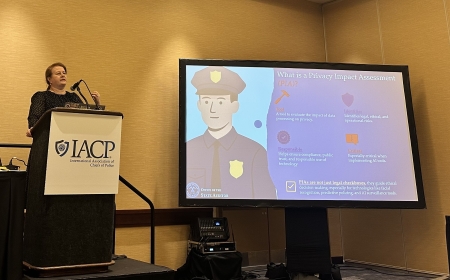
At IACP Tech, discussions centered around integrating AI into law enforcement to increase efficiency while balancing transparency and accountability to real-time threats. In the panel “Transforming Policing with AI: Efficiency, Accuracy and Ethical Considerations for Report Writing,” panelists underscored how AI can streamline administrative tasks, reduce the time officers spend on documentation and improve the overall accuracy and quality of police reports. Speakers also highlighted that the integration of AI must be accompanied by transparency and accountability. They stressed the importance of clearly disclosing when reports are generated or supported by AI to maintain public trust and uphold ethical standards. In the panel “Curb Your AI Through Privacy Impact Assessments,” speaker Nora Kurzova, the State Auditor of the State of Utah Office, explored the ethical implications that come with predictive AI in law enforcement. Kurzova drew attention to bias present in predictive tools, stressing the importance of human oversight to correct potential biases. With rigorous evaluations of the decisions that automated systems enact, law enforcement can ensure fairness and a positive impact on communities. 


Carahsoft, IACP 2025, blog, embedded image, 2025

Emerging Technologies in Law Enforcement 

For modern criminal investigations, law enforcement faces growing complexity in managing and analyzing mass volumes of digital data. As the volume of data generated by connected devices continues to surge, investigators must adapt software that enables timely and efficient data recovery. Critical evidence can come from a variety of sources, such as Nest cameras, smart rings, thermostats and even gaming consoles. Human augmentation technologies, including smart glasses, brain-computer interfaces and mixed reality devices, were all identified as new frontiers that officers could utilize during investigations. By utilizing unconventional data points as corroborative tools and avenues for new leads, law enforcement can increase its investigative awareness.  


Breakthroughs in Digital Forensics 

At the panel “Advancements in Criminal Investigations: Increasing Solve Rates with Technology,” speaker Ed O’Carroll, a retired Major of the Crimes Bureau from the Fairfax County Police Department, emphasized the transformative impact of advanced investigative technologies in resolving challenging criminal cases. Advancements in digital forensics, genetic genealogy and rapid DNA testing have all transcended the abilities of law enforcement, enabling the solving of difficult cases. As IT continues to evolve, law enforcement can utilize strategic partnerships with technology organizations to improve its digital forensics capabilities and reduce backlogs. With recent technological breakthroughs, skilled crime analysts and forensic professionals can maximize their potential through these revolutionary tools. 


The Importance of Interoperable Data in Public Safety 

Law enforcement depends on thorough and accurate analytics to improve and maintain capabilities. In the panel “Breaking the Data Chains: Advocating Open and Interoperable Solutions in Public Safety,” speakers explored the evolving role of data in public safety, with a strong emphasis on the importance of interoperability and open standards. Adopting open data standards enables seamless data exchange across systems and jurisdictions. Panelists called for greater vendor transparency and urged public safety agencies to include open data access provisions in their contracts to avoid vendor lock-in. Ultimately, by strengthening data sharing practices, public safety agencies can enhance operational effectiveness and fulfill mission objectives.  


Tailored, Interactive Training with Artificial Intelligence 

Law enforcement agencies are increasingly utilizing AI and virtual reality technologies to address resource constraints during training. In the panel “How Your Records Management Process Can Work for You—Leveraging RMS Functional Standards,” speaker Jeff Smythe discussed a statewide effort to revise curriculum by embedding AI tools into courses. By synthesizing practical data and automation, law enforcement can improve training and service quality.

Examples of this include: 

  • Utilizing real-world body camera footage to create simulated scenarios for training 
  • Collecting best practices to develop AI-powered virtual reality scenarios that feature immediate feedback and debriefing capabilities 
  • Implementing automated virtual reality scenarios to train soft skills, such as employee counseling and community engagement 

By simulating realistic, frequent tech-enhanced training, employers can significantly improve officer readiness and skill retention. AI and virtual tools offer scalable solutions to deliver consistent, high-quality training in an evolving public safety environment. 


As law enforcement professionals handle sensitive and vital information, the protection of that information and data is essential to carrying out fair and accurate investigations and procedures. Through tailored training, data analytics and AI, law enforcement can improve capabilities and focus resources on protecting civilians.  

To learn more about public safety related technology, visit Carahsoft’s law enforcement portfolio to explore solutions showcased at IACP Technology Conference. For additional research into the key takeaways that industry and Government leaders presented at IACP Technology Conference, view Carahsoft’s full synopsis of key sessions from the tradeshow.  

Becker’s 2023: Optimizing the Medical Field and User Experience Through AI

Medical practices are quickly entering an age where Artificial Intelligence (AI) is growing and expanding to help improve user and patient experience, as well as increase automation in the work environment. During the Becker’s Health IT + Digital Health + RCM conference, healthcare and IT leaders came together to discuss how to adapt to the latest trends in the field, including telehealth, cybersecurity, diversity and the simplification of healthcare through AI.

The implementation of AI in the medical world is increasing as doctors and researchers explore ways to make healthcare as seamless as possible for both doctors and patients. Telehealth, the ability to meet with a healthcare provider virtually rather than in-person, is an important process that doctors are utilizing as the patient population and their needs continue to grow. Doctors and medical staff will soon be able to: 

  • Use AI for administrative tasks to increase healthcare staff efficiency 
  • Continue to consolidate electronic medical records (EMR) onto a singular platform, making it easier for providers across a health system to access up-to-date patient information  
  • Close the access gap in more rural and underserved areas to collect data and maximize face time with patients 
  • Utilize technology to focus on holistic health and increase discussion about behavioral nudges, for example a smart watch mentioning that it is ‘time to stand’  
  • Improve the digital experience for patients of all demographics through easy access medical records and utilization of telehealth for older populations

Diversity in Telehealth Technology 

Carahsoft Becker's Healthcare Tradeshow Recap Blog Embedded Image 2023With the progression of AI and telehealth, hearing diverse voices on the implementation of these tools cannot be overlooked as medical professionals change the way they utilize technology. It is imperative that new technology is working to make medical support and processes simple for communities that may not have as many resources when it comes to telehealth and digital medical records. For example, a chat box that pops up on a medical practice’s website may have been created to help patients, but non-English speaking patients do not benefit if the box is not programmed to display and understand other languages.

Skillset diversity must also be considered when doing research. Instead of finding medical staff and researchers based only on a certain educational background, it is beneficial to consider candidates with a range of experience as well. Inviting different voices into the medical field can only benefit the way healthcare progresses and provides better outcomes to patients.

A Platform-First Approach: Creating Maximum Value for Enterprises  

It is important for medical companies to create maximum value within the applications and systems that they are paying for. Technology is evolving at such a rapid pace that often, by the time a new technology has been implemented by an enterprise, it is already basically obsolete and needs to be replaced. This is where the platform-first approach comes into play. With this approach, companies prioritize getting the most value from existing applications that are already purchased and installed in the enterprise. For example, ensuring that there is no overlap between the use cases of multiple apps a company is paying for. 

The platform-first approach includes:  

  • Leveraging platforms that are already currently in use 
  • Adding features that are easy to use with easily accessible interfaces  
  • Focusing less on training and more on hands-on experience 
  • Being selective in what tools and platforms are implemented 
  • Being agile and looking at a platform strategy instead of individualistic needs  
  • Ensuring that what an organization already has makes sense in regard to the bigger picture and is not being underutilized

Moving Forward: Maximizing Every Tool and Every Person 

Even with today’s fast-paced changes, there are processes and elements of healthcare that AI cannot replace. AI is rapidly growing and evolving, but it cannot take away the qualities of being a human, especially in the medical field. If a bot can do a simple task, such as filing paperwork, it is best to let the bot do it, and allow doctors to spend more personalized time with patients. It is ideal to offer digital opportunities in the workplace, but not to the extent that it hinders user experience. Technology can alleviate pressures and remove friction from a workforce, but at the end of the day, AI cannot replace the personal human element of care that a doctor provides to a patient.  

AI is not something to fear, but rather something to embrace in the areas where it meets providers and patients’ needs. It is also important that every voice is heard while technology advances, and minority groups are not left behind in the fast-moving AI path. Companies and researchers are focusing on where the demand is and either changing or providing additional technology as frictionless and simple as possible. 


Visit Carahsoft’s Healthcare Solutions Portfolio to learn more information and key insights for the IT and Healthcare industries. 

*The information contained in this blog has been written based off the thought-leadership discussions presented by speakers at the Becker’s Healthcare Summit 2023.*