Cloud Security: Complex Threats, Clear Solutions

Cloud technology, for many years, enticed agencies looking for savings and efficiencies. Organizations pursued “cloud-first” policies that migrated data and applications away from onsite infrastructure and into the control, at least in part, of cloud service providers. While the cloud offered promising advantages, some agencies encountered unexpected cost challenges along the way. And lately, malicious actors have gotten exceptionally good at exploiting cloud vulnerabilities.

There isn’t one way to secure your cloud platform, unfortunately. You need a holistic, Zero Trust approach that combines security controls with cyber policies and procedures. Strong encryption and access rules, automated updates, clear visibility and detailed incident response plans are all critical. Knowing who’s responsible for what should go without saying. And repatriating data — bringing it back on premises, for example — is often a commonsense answer. 

“Agencies have to comply with stringent regulations … so that means they need a really robust [security] framework, all while managing the complexities of the cloud environment,” said Garrett Lee, Regional Vice President for Public Sector in Broadcom’s Enterprise Security Group. “Cloud, you know, solves some problems, but it also creates some others.”  

In this video interview, Lee explores both the opportunities that cloud computing offers and how to confront its security challenges. Topics include:  

  • What a holistic approach to cloud security entails
  • The cost and security drivers behind data repatriation, and why they matter
  • How to secure four critical domains: endpoints, data, the cloud and networks

Want to learn more cyber resilience strategies? Download Symantec, Carbon Black and Carahsoft’s guide to explore four critical cyber force multipliers that enhance agencies’ security posture amid growing threats and limited budgets.

Carahsoft Technology Corp. is The Trusted Government IT Solutions Provider, supporting Public Sector organizations across Federal, State and Local Government agencies and Education and Healthcare markets. As the Master Government Aggregator for our vendor partners, including Broadcom we deliver solutions for Geospatial, Cybersecurity, MultiCloud, DevSecOps, Artificial Intelligence, Customer Experience and Engagement, Open Source and more. Working with resellers, systems integrators and consultants, our sales and marketing teams provide industry leading IT products, services and training through hundreds of contract vehicles. Explore the Carahsoft Blog to learn more about the latest trends in Government technology markets and solutions, as well as Carahsoft’s ecosystem of partner thought-leaders.

This post originally appeared on GovLoop.com, and is re-published with permission

Maximizing Federal IT Investments Through Udemy’s Strategic Workforce Development 

The Federal Government continues to invest billions in cutting-edge technology and digital transformation initiatives, yet many agencies struggle to realize the full return on these investments. The challenge is not always the technology itself, but ensuring the Federal workforce has the technical and soft skills needed to keep pace with rapidly evolving systems and processes. Udemy Business addresses this critical gap by offering comprehensive, on-demand training that upskills and reskills Federal employees, ensuring agencies maximize their IT investment returns while building a more capable, adaptable workforce. 

Secure, Cross-Agency Learning Architecture 

Federal agencies require training solutions that meet stringent security standards while enabling collaboration across organizational boundaries. Udemy Business delivers on both fronts through its secure cloud-hosted platform that complies with industry standards for data protection. The platform’s role-based controls allow administrators to manage permissions appropriately while maintaining security protocols. 

Udemy Business delivers relevant training content with customized learning paths that are tailored to specific roles, compliance requirements and interagency goals. This capability ensures that workforce development efforts align with both individual agency missions and broader Government-wide objectives. 

Udemy Business is aligned with the General Services Administration’s (GSA) OneGov strategy. Udemy Business unifies agencies and breaks down technology silos that have historically fragmented Government operations. Udemy’s extensive on-demand content library directly supports this vision by providing Federal employees with access to both technical and soft skills training across agency boundaries. Agencies can leverage Udemy’s training platform to ensure consistent skill development that ensures customers receive the largest return on IT investments. Udemy Business enables agencies to better coordinate their technology initiatives, as employees across different departments develop shared competencies in emerging technologies, project management and collaborative workflows that are essential for cross-agency success. 

Building AI and Zero Trust Capabilities 

As Federal agencies increasingly adopt artificial intelligence (AI) and Zero Trust security frameworks, workforce preparedness becomes critical for successful implementation. Udemy provides comprehensive AI courses that teach machine simulation of human intelligence processes, knowledge that is essential for developers, researchers and anyone working with cutting-edge Government technology initiatives. 

The platform also offers extensive Zero Trust security courses that help Federal teams understand and implement Zero Trust principles effectively. This training capability is particularly valuable as agencies work to maintain pace with the evolving cybersecurity climate and protect sensitive Government data and systems. 

Streamlined Deployment and Accessibility 

Government environments often present unique deployment challenges, particularly for agencies with limited technical resources. Udemy Business addresses these concerns through its cloud-based architecture that supports remote access from anywhere with an internet connection. This flexibility proves especially valuable for distributed Federal workforces and agencies operating across multiple locations. 

The platform’s straightforward deployment model eliminates many of the technical barriers that can slow adoption in Government environments, allowing agencies to begin training initiatives quickly without extensive infrastructure investments or complex integration projects. 

Enhanced Value Through Strategic Partnership 

Carahsoft and Udemy have collaborated to make workforce development more accessible and affordable for Federal agencies. Udemy Business Licenses are available through GSA contracts via Carahsoft, providing customers with established procurement pathways and additional savings opportunities. The partnership extends to other contract vehicles as well, giving agencies flexibility in their procurement approaches. 

Currently, eligible Government customers can access additional savings of up to 50% off manufacturer’s suggested retail price (MSRP) through this strategic partnership. This promotion remains effective through the end of Federal fiscal year 25, providing agencies with a limited-time opportunity to invest in workforce development at significantly reduced costs. 

The convergence of technological advancement, workforce development needs and strategic cost savings presents Federal agencies with a compelling opportunity to strengthen their human capital investments. 

Ready to transform your agency’s workforce development strategy? Contact the Udemy team at Carahsoft or visit the Udemy Business website to discover how comprehensive, on-demand training can maximize your IT investments while building the skilled Federal workforce of tomorrow. 

Carahsoft Technology Corp. is The Trusted Government IT Solutions Provider, supporting Public Sector organizations across Federal, State and Local Government agencies and Education and Healthcare markets. As the Master Government Aggregatorfor our vendor partners, including Udemy Business, we deliversolutionsfor Geospatial, Cybersecurity, MultiCloud, DevSecOps, Artificial Intelligence, Customer Experience and Engagement, Open Source and more. Working with resellers, systems integrators and consultants, our sales and marketing teams provide industry leading IT products, services and training through hundreds of contract vehicles. Explore the Carahsoft Blog to learn more about the latest trends in Government technology markets and solutions, as well as Carahsoft’s ecosystem of partner thought-leaders. 

Identity is The Backbone of Secure, Agile DoW Missions

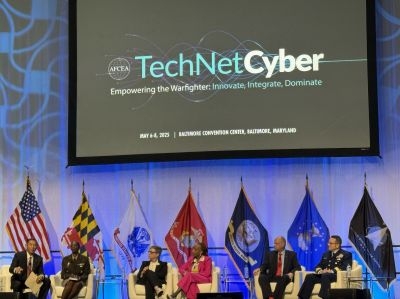
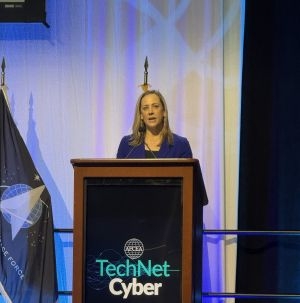
I had the opportunity to present to the DoW community at AFCEA TechNet Cyber where where stakes are high and operational tempo is relentless, embedding security into every layer of the digital environment is no longer optional. Identity governance and administration (IGA) has emerged as a cornerstone of cyber resilience, enabling secure modernization, supporting Zero Trust mandates, and accelerating mission impact.

Identity as a Strategic Force Multiplier

Modern warfare and defense readiness extend far beyond kinetic capabilities. Cyber is now a primary domain of operation, and within that domain, identity is the new perimeter. Identity security is not simply about access control; it is about governing who has access to what, when, and under what conditions—across all users, environments, and applications.

A well-implemented IGA program transforms complexity into control. It provides the visibility and automation needed to reduce risk, enforce policy, and enable agility. From onboarding mission partners to ensuring continuous compliance with audit and risk frameworks, identity governance acts as the connective tissue between policy, people, and mission success.

Governance is the Gateway to Zero Trust

The DoW’s Zero Trust Architecture (ZTA) is predicated on one central truth: never trust, always verify. At the core of this paradigm is the concept of least privilege—granting users only the access they need, nothing more.

IGA platforms like SailPoint do more than facilitate access. They enforce policy and establish what access should look like, continuously verifying access needs, and tie the identity to activity. Instead of relying on static credentials or infrequent certifications, identity governance brings continuous verification to life—ensuring users, devices, and applications are validated and flagged in the policy information point before access is granted.

This proactive stance aligns IGA with foundational guidance such as the Risk Management Framework (RMF), and the NIST SP 800-53 controls. Governance is not just a checkbox; it is operational security in action.

FIAR, Compliance, and Continuous Audit Readiness

Passing audits like FIAR (Financial Improvement and Audit Readiness) is more than a bureaucratic exercise. It’s a demonstration of operational integrity and mission readiness. Identity governance simplifies this process by embedding compliance into everyday operations.

IGA platforms automate access certifications, enforce separation of duties (SoD), and maintain immutable audit trails. Instead of scrambling for documentation during audit season, organizations can prove—at any time—that they were always in compliance. This shift from reactive to continuous audit readiness is a game-changer for large DoW organizations.

Mission Agility Through Automation

In the DoW, time is not a luxury. Missions shift quickly, mission partners rotate often, and new technologies are deployed at speed. Manual processes simply cannot keep up.

IGA enables automation across the entire identity lifecycle. From onboarding new coalition partners to deprovisioning departing contractors, governance tools streamline access requests, approvals, and revocations. This not only enhances security but also reduces administrative overhead, freeing resources for mission-critical tasks.

Moreover, by integrating with technologies like the DoW Federation Hub, identity governance extends its reach to federated and cross-domain environments—supporting secure joint and coalition operations at scale.

Real ROI: Security that Pays for Itself

The value of IGA goes beyond risk mitigation. It delivers measurable return on investment (ROI) through operational and financial gains. These include:

  • Audit cost reductions through automated evidence collection and fewer control failures
  • License savings by rationalizing unused or redundant entitlements
  • Operational efficiency through faster onboarding/offboarding and reduced manual workloads
  • Risk reduction by limiting the window of exposure for insider threats or privilege misuse

This is ROI by design—security investments that drive cost savings while advancing strategic goals.

A Maturity Model for Sustainable Progress

Identity governance is not a one-time deployment—it’s a journey. I have created a maturity model for the DoW that provides a structured path from basic CAC availability to advanced, AI-driven, risk-adaptive governance. Each step builds capabilities that align with Zero Trust pillars, from policy enforcement to real-time threat response.

As organizations mature, they can integrate IGA with other strategic technologies such as Comply-to-Connect, SASE, and XDR, multiplying both security effectiveness and mission agility.

Conclusion: Govern Everyone, Prove Every Access

To secure the mission, you must govern identity with the same rigor used to defend the network. Identity security is no longer a backend control; it is the control plane for modern defense operations.

Govern everyone. Prove every access. This is the blueprint for a Zero Trust future—one where audit readiness is continuous, access is justified, and the mission moves at the speed of trust.

Learn more about how ICAM solutions empower agencies to manage digital identities with precision.

Carahsoft Technology Corp. is The Trusted Government IT Solutions Provider, supporting Public Sector organizations across Federal, State and Local Government agencies and Education and Healthcare markets. As the Master Government Aggregator for our vendor partners, including SailPoint we deliver solutions for Geospatial, Cybersecurity, MultiCloud, DevSecOps, Artificial Intelligence, Customer Experience and Engagement, Open Source and more. Working with resellers, systems integrators and consultants, our sales and marketing teams provide industry leading IT products, services and training through hundreds of contract vehicles. Explore the Carahsoft Blog to learn more about the latest trends in Government technology markets and solutions, as well as Carahsoft’s ecosystem of partner thought-leaders.

The Hidden Threat: Why Ignoring Non-Human and Third-Party Identities is a Risk You Cannot Afford

I had the opportunity to present and discuss the threat of Non-Human and Third-party Identities at AFCEA TechNet Cyber with the Department of Defense (DoD) community. It is obvious that the maturity of Identity, Credential and Access Management (ICAM) and all identities is top of mind. The Industry, the National Institute of Standards and Technology (NIST), Department of Homeland Security – Cybersecurity and Infrastructure Security Agency (DHS CISA) and the DoD are all starting to focus on the problem, as it is recognized that identity is no longer just an IT problem—it is the front line of defense. We have been deep in digital transformation and the adoption of Zero Trust frameworks and have discovered an inconvenient truth: most organizations are flying blind when it comes to managing the very identities that power their operations—non-human and third-party users.

And that is a problem.

The New Cyber Perimeter: Identity

The old perimeter—firewalls and virtual private networks (VPNs)—is dead. What stands between you and the next breach is your ability to govern who or what has access to your systems. Yet many agencies remain fixated on credentials and authentication, while ignoring vast swaths of non-human actors (bots, robotic process automations (RPAs), service accounts) and external partners (vendors, contractors, mission partners).

This is not just a gap. It is a canyon.

According to Deloitte, 63% of organizations lack visibility into third-party access. Even more troubling, most have no way to list or audit all machine identities operating in the background. These invisible accounts often have persistent, high-level access and no formal governance, making them prime targets for threat actors.

Real-World Breaches, Real-World Consequences

Look no further than the SolarWinds and Okta breaches. In both cases, attackers exploited unmanaged service accounts or contractor credentials to move laterally and escalate privileges. These were not arcane zero-days—they were lapses in identity governance. And they cost credibility, customer trust and in some cases, national security.

The lesson? You cannot protect what you cannot see. And you definitely cannot secure what you do not control.

Why Automation and Governance Are Non-Negotiable

In a Zero Trust architecture, access is no longer assumed—it is continuously verified. But that verification breaks down when service accounts are created ad hoc, with no expiration dates, no ownership and no audit trail. The same goes for third-party users who are onboarded through spreadsheets or informal emails, then forgotten once their project ends—yet their access lives on.

This is how breaches happen.

Governance gaps like these leave organizations exposed to avoidable risks: policy drift, compliance violations, excessive access rights and a lack of accountability. Without automation and lifecycle management, identities multiply faster than security teams can manage them—leading to sprawl, privilege creep and ultimately attack surface expansion.

The Case for Identity-Centric Security

Modern enterprises need identity security platforms that extend beyond the traditional workforce. That means treating machine and third-party identities with the same level of scrutiny, controls and lifecycle management as full-time employees.

SailPoint’s approach offers a compelling blueprint:

  • Non-Employee Risk Management (NERM): Centralized, auditable workflows for third-party access, including onboarding, offboarding and access reviews.
  • Machine Identity Security (MIS): AI-driven discovery, classification, ownership assignment and access certification for bots, RPAs and service accounts.

Together, these capabilities provide visibility and governance across all identities, regardless of origin. They also support Zero Trust mandates like least privilege, just-in-time access and continuous verification.

Business Benefits Beyond Security

This is not just about reducing risk. It is about enabling speed and scale without sacrificing control.

With strong identity governance:

  • Mission partners and contractors get the access they need faster—without creating long-term exposure.
  • Audit preparation becomes easier, with clear logs of who had access to what, when and why.
  • Compliance improves, especially in regulated industries, based on NIST and other frameworks.
  • Security teams can shift from reactive firefighting to proactive risk management.

And perhaps most importantly: organizations become more resilient in the face of evolving threats.

The Bottom Line

Cybersecurity is no longer just about protecting data—it is about protecting trust. And trust starts with visibility and control over every identity that touches your systems.

If your organization is still relying on outdated processes to manage non-human and third-party users, now is the time to act. Inaction is not neutral—it is a strategic liability. As attack surfaces expand and adversaries grow more sophisticated, unmanaged identities will remain the soft underbelly of your defenses.

Zero Trust is not just a framework—it is a mindset. And in that mindset, every identity matters.

It is time to see what has been hiding in plain sight.

Ready to reinforce your identity perimeter? Discover how SailPoint’s ICAM solutions empower organizations to manage digital identities with precision. Explore Now.

Carahsoft Technology Corp. is The Trusted Government IT Solutions Provider, supporting Public Sector organizations across Federal, State and Local Government agencies and Education and Healthcare markets. As the Master Government Aggregator for our vendor partners, including SailPoint we deliver solutions for Geospatial, Cybersecurity, MultiCloud, DevSecOps, Artificial Intelligence, Customer Experience and Engagement, Open Source and more. Working with resellers, systems integrators and consultants, our sales and marketing teams provide industry leading IT products, services and training through hundreds of contract vehicles. Explore the Carahsoft Blog to learn more about the latest trends in Government technology markets and solutions, as well as Carahsoft’s ecosystem of partner thought-leaders.

The Top Zero Trust Events for Government in 2025 

Zero Trust stands out within the cybersecurity market because of its transformative approach to the immensely secure framework of “never trust, always verify.” Zero Trust cybersecurity technology industry experts are driven to safeguard Government networks and offer solutions that align with protecting critical information and reducing risk to national security. Carahsoft supports vendors that help Government organizations understand Zero Trust frameworks, develop a Zero Trust strategy and implement a Zero Trust Architecture (ZTA). Throughout this year, Carahsoft and our partners are participating in several events focused on strengthening Zero Trust throughout the Public Sector. Join us to learn how the industry and Government can collaborate to stay ahead of cybersecurity challenges and build a strong foundation for proactive security. 

Public Sector Network Government Cybersecurity Showcase Series 

Multiple Dates | In-Person Events 

Join PSN’s Government Cybersecurity Showcases, a series of events making multiple stops where attendees can explore how Public Sector leaders can embrace innovation while strengthening cybersecurity. As agencies adopt AI, data analytics and smart technologies, the need for resilient Zero Trust frameworks has never been greater. This event will highlight strategies for securing digital transformation, protecting critical infrastructure and fostering cross-sector collaboration—ensuring that innovation enhances, rather than compromises, security and trust. Don’t miss the teaser for our upcoming cybersecurity series to get a sneak peek at the experts, insights and innovations shaping the future of cyber defense. 

Events to look out for: 

  • Tallahassee, FL – August 27: Agenda 
  • Columbus, OH – September 2025: Agenda Coming Soon! 
  • Austin, TX – November 12: Agenda coming soon! 

Carahsoft has partnered with Public Sector Network to host the 2025 Government Cybersecurity Showcase Series, a multi-city event series focused on the evolving landscape of cybersecurity in the Public Sector. These in-person events will bring together Government decision-makers and industry leaders to explore how innovative technologies—from AI to Zero Trust—are reshaping agency security strategies. Carahsoft is offering sponsorship opportunities to our partners. If you are a partner interested in further details on how to participate, please contact your Carahsoft Team. 

SANS Government Security Solutions Forum 

July 22 | Virtual Event 

The SANS Institute stands on a mission of empowering cybersecurity professionals and honoring the highest standard in cybersecurity education to make the world a safer place. The Government Security Solutions Forum will delve into the latest trends in network protection, AI and cyber defense, supply chain, workforce development and more to help attendees understand how to combat modern threats effectively. In previous years, participants engaged with technology experts and listened to unique panel discussions with audience Q&As surrounding invaluable security initiatives across the Public Sector in areas such as Zero Trust implementation, achieving CMMC compliance and harnessing AI. Join us at this year’s event for all this and more! 

Stay tuned for the official 2025 agenda. Here are some of the topics you can expect at this year’s event: 

  • AI-Augmented Cyber Defense 
  • Zero Trust Architecture 
  • Cyber Defense Best Practices 
  • Securing Government’s Expanding Attack Surface 
  • Navigating Compliance Challenges 
  • Emerging Cyber Threats and Future Trends 

Carahsoft looks forward to partnering with the SANS Institute for the 5th year in a row to bring this event to life. Carahsoft has over 800 employees focused on cybersecurity and partnerships with over 150 vendors. To learn more about the topics discussed at the forum and what to expect in July, read our highlights from last year’s event. 

930gov Conference 

 July 31 | Washington, D.C. | In-Person Event 

The 930gov Conference is the annual multi-track conference that brings together Government IT professionals, thought leaders and solution providers for a full day of education and networking. Hosted by the Digital Government Institute, this one-day event covers a range of critical topics including Cybersecurity/Zero Trust, AI, Cloud, Data and Records Management and Enterprise Architecture. With its turnkey format, 930gov offers Government attendees and sponsors alike a streamlined, high-impact experience—making it one of the most accessible and valuable events of the year. 

Sessions to look out for:  

  • Cyber/Zero Trust Track: Intersection of Cyber, AI and Privacy – This track will feature Zero Trust implementation lessons learned, advancements in continuous monitoring and the evolving threat landscape, including the rise of AI-driven phishing. 

Carahsoft is partnering with DGI to support this event. 2025 sponsors included Carahsoft partners such as Microsoft and Armis. Carahsoft and DGI are offering Turn-key Booth sponsorships that feature premium exhibitor booth space, lead retrieval and overall access to the event. If you would like to get involved, please contact your Carahsoft Team. 

Billington Cybersecurity Summit 

September 9-12 | Washington, D.C. | In-Person Event 

A long standing and experienced event, the Billington Cybersecurity Summit features an extensive array of cyber topics, speakers, sessions and interactive breakouts for attendees to truly immerse in the world of today’s emerging cybersecurity solutions and trends. In its 16th year running, this leading Government cybersecurity summit promises an exceptional lineup of Government presenters, an invaluable leadership luncheon, an all-attendee networking reception and over 100 vendor booths featuring strategy development and technology demos. 

For a sneak peek into what you can expect at the summit, topics covered during last year’s event included:   

  • Zero Trust 
  • Ransomware 
  • Advancing cyber diplomacy 
  • Protecting critical infrastructure 
  • Learning how to use proactive defenses 
  • Engineering AI into cybersecurity platforms 
  • Implementing an effective risk management approach 

Carahsoft is looking forward to sponsoring this year’s event and will feature a booth to engage with attendees throughout the week. We will also be hosting a large partner pavilion and encourage attendees to stop by and learn more about our partners and their technology solutions. Check out the events tab on our website for more details closer to the event!  

Carahsoft Cyber Leaders Exchange 

October 1-2 | Virtual Event 

Presented by Carahsoft in collaboration with Federal News Network, The Cyber Leaders Exchange will dive into how the Government is building cyber resilience, including showcasing tips, tactics and tools to support your organization’s mission-critical cybersecurity efforts. Look forward to sessions about cybersecurity strategy-building, workforce challenges, AI within cybersecurity, Zero Trust and informative speakers from trusted technology vendors as well as Government experts. 

Join Federal News Network for Carahsoft’s 4th Annual Cyber Leaders Exchange, taking place virtually on October 1st and 2nd. This dynamic two-day event will spotlight top voices in Government and industry talking about Cybersecurity. Additional details coming soon. Carahsoft is offering sponsorship opportunities to our partners. If you are a partner interested in further details on how to participate, please contact your Carahsoft Team. 

ATARC Public Sector Zero Trust Summit 

October 23 | Reston, VA – Carahsoft Conference and Collaboration Center | In-Person Event 

This in-person event will feature expert discussions, networking opportunities and insights into the strategies and technologies driving secure, resilient Government operations. 

Sessions to look out for: 

  • Building and Measuring Success in Public Sector Security – This session explores practical approaches to adopting ZTA aligned with current Executive Orders focusing on challenges such as identity management, secure access and legacy system integration. 
  • Zero Trust Beyond Compliance – This session will explore how to leverage modern tools, enhance data protection and integrate Zero Trust into existing infrastructures without disrupting mission-critical operations. 
  • Zero Trust and the Cloud: Strategies for Federal Hybrid Environments – This session will focus on strategies for implementing Zero Trust in federal operations that span both cloud and on-premises systems. 
  • Enhancing Efficiency: Trends, Innovations and the Future of Zero Trust – Explore emerging trends and innovations shaping the future of cybersecurity, including advancements in automation, AI-enhanced threat detection and quantum-resilient encryption. 

Carahsoft is proud to serve as the event partner and host for the ATARC Public Sector Zero Trust Summit for the 7th year. Carahsoft is offering sponsorship opportunities to our partners. If you are a partner interested in further details on how to participate, please contact your Carahsoft Team. Attendees will also have the opportunity to earn up to 6 CPE Credits. 

RSA Public Sector Day 2026 

March 23-26 | San Francisco, CA | In-Person Event 

 The 13th Annual RSA Public Sector Day at the RSA Conference examines key areas such as developing a strong cybersecurity workforce, understanding the impact of artificial intelligence (AI) on both offensive and defensive cyber operations and improving the exchange of information among Government entities.  

Attendees will hear directly from top Government leaders and industry professionals as they discuss their perspectives and strategies for enhancing cybersecurity across all levels of Government and healthcare. Check out our website for more information about our involvement in 2026. 

AFCEA TechNet Cyber  

June 2-4 | Baltimore, MD | In-Person Event 

This flagship event serves as the center of gravity for a whole-of-government effort to bring together the policy, strategic architecture, operations and Command and Control (C2) leaders—along with the joint capabilities—needed to meet the global security challenges and successfully operate in a digital environment. 

Carahsoft’s and more than 50 partners will attend to showcase a full range of cybersecurity, AI, DevSecOps and cloud solutions.  

As Government agencies are implementing Zero Trust strategies to meet sophisticated threats, it is imperative that the tech industry provides the most up-to-date information and solutions surrounding cybersecurity. Join Carahsoft and our partners at this year’s events to be a part of the innovative path forward. 

To learn more or get involved in any of the above events please contact us at ZeroTrustMarketing@Carahsoft.com. For more information on Carahsoft and our industry leading OSINT technology partners’ events, visit our Zero Trust solutions portfolio. 

From Concept to Implementation: Operationalizing Zero Trust Architecture in Government Environments

Zero Trust has evolved over the last 15 years into a cornerstone of Federal cybersecurity strategy, influencing enterprises as well as State and Local Governments. While the principles of continuous authentication and least privilege are widely accepted, many organizations still need the industry’s support with implementation.

The National Institute of Standards and Technology’s (NIST) National Cyber Center of Excellence (NCCoE) has bridged this gap by offering practical guidance for applying Zero Trust concepts in real-world solutions.

Understanding Zero Trust Principles

Zero Trust is a cybersecurity strategy built on the assumption that networks are already compromised, making it the most resilient approach for securing today’s hybrid environments. Rather than relying on network perimeters, Zero Trust focuses on continuous authentication and verification of every access request, regardless of where those resources are located.

This approach requires organizations to secure all communications through encryption and authentication, grant access on a per-session basis with least privileges, implement dynamic policies, continuously monitor resource integrity and authenticate before allowing access. The objective is to reduce implicit trust between enterprise systems to minimize lateral movement by potential attackers.

Organizations must also collect and analyze as much contextual information as possible to create more granular access policies and strengthen current controls for an enhanced Zero Trust Architecture (ZTA).

NIST’s Role and Guidance

NIST has been instrumental in defining and operationalizing Zero Trust through guidance documents and practical demonstrations like Special Publication (SP) 800-207, published in 2020, which established the foundation for ZTA. Building on this framework, NIST’s NCCoE worked with industry, Government and academia to launch a project to show how these concepts could be implemented in real-world environments.  

Initially focused on three example implementations, the project expanded to 19 different ZTA implementations using technologies from 24 industry collaborators, including Palo Alto Networks.

These implementations were built around three primary deployment approaches:

  1. Enhanced Identity Governance: Emphasizes identity and attribute-based access control, ensuring access decisions are linked to user identity, roles and context.
  2. Microsegmentation: Uses smart devices such as firewalls, smart switches or specialized gateways to isolate and protect specific resources.
  3. Software-Defined Perimeter (SDP): Creates a software overlay to protect infrastructure—like servers and routers—by concealing it from unauthorized users.

Although not included in SP 800-207, the project also recognized Secure Access Service Edge (SASE) as an emerging deployment model that integrates network and security functions into a unified, cloud-delivered service.

Practical Implementation Strategies

Palo Alto Networks - Operationalizing Zero Trust - Blog - Embedded Image - 2025

The NCCoE project tackled the critical question: where should organizations start on their Zero Trust journey? By adopting an agile, incremental approach with “crawl, walk and run” stages, the project phased its implementation based on deployment approaches. This allowed gradual, manageable builds while addressing real-world complexities.

Technologies such as firewalls, SASE with Software-Defined Wide Area Network (SD-WAN) and Endpoint Detection and Response (EDR) using Palo Alto Networks Cortex XDR® were utilized, with remote worker scenarios reflecting modern hybrid environments. NIST SP 1800-35 outlines the phased approach and provides a practice guide, including technologies, reference architectures, use cases, tested scenarios and security controls built into each implementation.

One of the most significant challenges addressed was interoperability between different security solutions. Rather than overhauling infrastructure, organizations can leverage existing technologies while gradually introducing new solutions to enhance security and move toward a mature ZTA.

Integrating Technology Solutions

The NCCoE highlighted how comprehensive security platforms enable Zero Trust principles across hybrid environments. Palo Alto Networks presented a comprehensive ZTA built with artificial intelligence (AI) and machine learning (ML), leveraging capabilities including Cloud Identity Engine for federated identity management, next-generation firewalls for microsegmentation, cloud-delivered security services and SASE for remote access and EDR.

The approach focused on three key objectives:

  1. Continuous trust verification and threat prevention
  2. Single policy enforcement across all environments
  3. Interoperability with other security solutions

AI was embedded throughout the platform—from policy creation to user and device analysis—ensuring that Zero Trust policies are enforced consistently and adapted automatically in response to evolving threats. This intelligent strategy provides a scalable and resilient foundation for securing modern, hybrid environments.

Community Collaboration and A Holistic Approach

The success of the NCCoE project underscored the importance of collaboration between Government and industry to develop practical Zero Trust solutions. This partnership enabled the development of a holistic security monitoring system that can track user behavior across on-premises, cloud and remote environments. The integration of AI and ML streamlined incident response, reducing mean time to detection and resolution.

Experts recommend that organizations begin their Zero Trust journey with fundamental capabilities such as identity and access management (ICAM), endpoint security and compliance and data security. Implementing multi-factor authentication (MFA), integrated with existing Active Directory (AD) systems or identity providers, is an effective first step in strengthening access security. Monitoring network traffic and endpoint behavior using threat intelligence, user behavior analytics and AI allows organizations to proactively detect and respond to threats, providing a solid foundation for a resilient ZTA.

The journey to operationalizing Zero Trust continues to evolve, with NIST planning updates to their guidance documents to address emerging technologies like SASE and special considerations for operational technology (OT) environments. By adopting the principles, frameworks and practical implementation approaches demonstrated through the NCCoE project, Government agencies can develop more resilient security architectures that protect resources across diverse environments.

To learn more about implementing ZTAs in Government environments, watch the full webinar “Operationalizing Zero Trust: NIST and End-to-End Zero Trust Architectures,” presented by Palo Alto Networks, NIST and Carahsoft.

Carahsoft Technology Corp. is The Trusted Government IT Solutions Provider, supporting Public Sector organizations across Federal, State and Local Government agencies and Education and Healthcare markets. As the Master Government Aggregator for our vendor partners, including Palo Alto Networks, we deliver solutions for Geospatial, Cybersecurity, MultiCloud, DevSecOps, Artificial Intelligence, Customer Experience and Engagement, Open Source and more. Working with resellers, systems integrators and consultants, our sales and marketing teams provide industry leading IT products, services and training through hundreds of contract vehicles. Explore the Carahsoft Blog to learn more about the latest trends in Government technology markets and solutions, as well as Carahsoft’s ecosystem of partner thought-leaders.

TechNet Cyber 2025: Top 5 Insights on Zero Trust, Interoperability and More 

Technology is a vital part of the United States Department of Defense (DoD)’s capabilities, making security and enhancements essential to the nation’s stability and growth. AFCEA International’s flagship event, TechNet Cyber, emphasizes the role of cybersecurity and IT within the DoD. Alongside its partners, such as such as Amazon Web Services (AWS), Everfox and Ciena, Carahsoft attended TechNet Cyber to support DoD mission objectives. Carahsoft maintains a unique position in the defense industry with the ability to connect DoD and intelligence community (IC) personnel, Government IT decision-makers, thought leaders and industry and vendor partners. At this year’s conference, leaders and operators in the IT and Defense Department joined to network, facilitate problem solving and explore ways to expedite and secure the procurement process.


Expanding Zero Trust: “Flank Speed” is Ready to Scale 

To safeguard against potential cybersecurity attacks, the DoD is working to secure its networks with Zero Trust, a security strategy focused on identity, credential and access management. In the session “DoD Zero Trust Success Stories,” David Voelker, Zero Trust Architecture Lead for the Department of the Navy, discussed recent initiatives to bolster Zero Trust within Flank Speed, the Navy’s single enterprise Microsoft 365 solution that provides productivity tools, collaboration tools and OneDrive storage. The Department of the Navy is planning to conduct autonomous penetration testing to determine the quality of Zero Trust capability implementation. Last year Flank Speed met 151 of 152 Zero Trust activities, meeting target far ahead of schedule. Flank Speed is the Navy’s single enterprise Microsoft 365 solution that provides productivity tools, collaboration tools and OneDrive storage.

Another speaker, Ian Leatherman, the Zero Trust Strategy Lead for Microsoft U.S. Federal, discussed key takeaways from Microsoft’s work with Flank Speed. Visibility into agency networks is critical to emboldening existing Zero Trust strategies. Mr. Leatherman stated, “When in doubt, collect the telemetry: you never know what new or novel adversary techniques you may find.” Knowing exactly how many endpoints, applications and users are on the network at any given time positions the DoD to swiftly deal with incoming threats. 

Leatherman also discussed recent initiatives to involve all Navy personnel in a cybersecurity strategy; security is more than a technology solution, but a way to ensure safety within the agency. David Voelker, Zero Trust Architecture Lead at the Department of the Navy echoes this statement. While the Zero Trust Portfolio Office set their DoD-wide Zero Trust adoption target as the end of fiscal year 2027, Flank Speed is already operational. Voelker notes that the Flank Speed configuration could be lifted and shifted to other customers in the DoD, with a quick deployment time of under 24 hours. Mr. Voelker also recommends automating this shift.  

Carahsoft and our vendor partners offer several cybersecurity solutions to help Government agencies implement Zero Trust architectures that protect critical information and reduce national security risk. Our offerings align with Public Sector Zero Trust maturity models developed by NIST, the DoD and CISA.  


Carahsoft, TechNet, blog, embedded image, 2025

How Mission Objectives Drive Acquisition  

Acquiring powerful, up-to-date technology enables the DoD to protect against persistent and increasingly sophisticated cyber-attacks. The DoD aims to streamline its procurement process to maintain pace and safeguard against attacks. In the session “DoD Software Modernization Senior Steering Group,” speaker Sean Brady, Senior Lead for Software Acquisition Enablers at the Office of the Undersecretary of Defense (Acquisition and Sustainment), explained that there are two key drivers to this transformation. The first is mission objectives; software should be tailored to allow the DoD to adapt its systems to rapidly changing threats. The second is access to commercial innovation, which allows the DoD to access products in weeks or months rather than years.  


Digital Transformation for Operational Effectiveness 

Digital transformation in the DoD is crucial for maintaining pace with an increasingly technology-driven security environment. Thomas W. Simms, Principal Deputy Executive Director for Systems Engineering and Architecture at the Office of the Under Secretary of Defense for Research and Engineering, discussed the major digital transformation efforts within the DoD. 

The main four are: 

  1. Modular Open Systems Approach (MOSA), a congressional requirement that integrates technical and business strategies to promote acquisition and drives modular designs 
  1. The DoD’s Digital Engineering Instruction, which requires programs to use digital engineering in their design process 
  1. Application Program Interfaces (APIs), a ruleset that allows communication between software applications and is driven by the DoD’s API guidebook, which enables the DoD to become more data-centric   
  1. The DoD’s System Engineering Guidebook, which is currently undergoing an update to incorporate guidance from the Secretary of Defense’s latest memos  

By modernizing legacy systems and enabling the DoD to acquire the newest and greatest in IT, these initiatives enhance operational effectiveness and improve decision-making speed.


Fast-Tracking Authority to Operate (ATO) 

In the defense industry, technology must be approved to mitigate security risks. The Software Fast Track (SWFT), a process that expedites software verification within the U.S. Government, is changing the way the DoD manages risks and conducts Authority to Operate (ATO). Contractors can get involved with the latest software acquisition and risk management changes by participating in the three recently released requests for information (RFIs).  

These RFIs, which close May 20th, are: 

Katie Arrington, the Acting DoD Chief Information Officer (CIO), also discussed the Software Fast Track (SWFT) set to launch on June 1st of this year. The initiative will replace the traditional Authority to Operate (ATO) structure and add a few requirements, such as third-party Software Bill of Materials (SBOM), third-party risk assessments and the population of Enterprise Mission Assurance Support Service (eMASS) with artifacts. Once these guidelines are in place, contractors will gain a Provisional ATO. 

Ms. Arrington attests that these changes will revolutionize the Risk Management Framework (RMF) by allowing industry experts to provide feedback to the DoD. Paper compliance isn’t enough anymore, Ms. Arrington says. The DoD is looking for “continuous monitoring, red-teaming and people to continually evaluate their capability.”  

She also added that the DoD will be sunsetting the Approved Products List (APL). Additional sponsor additions are no longer being accepted. Instead, the SWFT initiative will take over, establishing a “trust, but verify” procedure, promoting both security and swift ATO action.


Using Interoperability to Pitch to DoD 

As operations increasingly move online, interoperability becomes increasingly important to efficiency and accessibility. Venice Goodwin, the outgoing CIO for the Department of the Air Force, offered advice to industry professionals on navigating changes within DoD. Goodwin recommends that the industry practice “extreme teaming;” rather than service each department individually: vendors should focus on servicing the DoD as a whole. As the DoD prioritizes capabilities that have cross-departmental benefits, industry experts should demonstrate the effectiveness of their capabilities and solutions in every domain across land, sea, air and space. With this collaboration, both the Private and Public Sector can get the results they need.


The digital transformation journey within the Department of Defense represents not just an evolution of systems, but a commitment to defending interests at home and abroad. Acquisition, ATO and Zero Trust are all valuable assets to maintaining pace with the current, constantly evolving technological climate, ensuring the United States carries out its mission of protecting the nation. 

To learn more about mission-critical technology, visit Carahsoft’s defense portfolio to explore solutions showcased at TechNet Cyber. For additional research into the key takeaways that industry and Government leaders presented at TechNet Cyber, view Carahsoft’s full synopsis of key sessions from the tradeshow.  

Bridging Identity Governance and Dynamic Access: The Anatomy of a Contextual and Dynamic Access Policy

As organizations adapt to increasingly complex IT ecosystems, traditional static access policies fail to meet modern security demands. This blog instance continues to explore how identity attributes, and governance controls impact contextual and dynamic access policies—as highlighted previous articles; Governing Identity Attributes in a Contextual and Dynamic Access Control Environment and SailPoint Identity Security The foundation of DoD ICAM and Zero Trust, it examines the role of identity governance controls, such as role-based access (dynamic or policy-based), lifecycle management, and separation of duties, as the foundation for real-time decision-making and compliance. Together, these approaches not only mitigate evolving threats but also align with critical standards like NIST SP 800-207, NIST CSF, and DHS CISA recommendations, enabling secure, adaptive, and scalable access ecosystems. Discover how this integration empowers organizations to achieve zero-trust principles, enhance operational resilience, and maintain regulatory compliance in an era of dynamic threats.

Authors Note: While I referenced the DoD instruction and guidance, the examples in the document can be applied to the NIST Cybersecurity Framework, and NIST SP 800-53 controls as well. My next article with speak specifically to the applicability of the DHS CDM MUR and future proposed DEFEND capabilities.


Defining Contextual and Dynamic Access Policies

Contextual and dynamic access policies adapt access decisions based on real-time inputs, including user identity, device security posture, behavioral patterns, and environmental risks. By focusing on current context rather than static attributes, these policies mitigate risks such as over-provisioning or unauthorized access.

Key Features:

  • Contextual Awareness: Evaluates real-time signals such as login frequency, device encryption status, geolocation, and threat intelligence.
  • Dynamic Decision-Making: Enforces least-privilege access dynamically and incorporates risk-based authentication (e.g., triggering MFA only under high-risk scenarios).
  • Identity Governance Integration: Leverages governance structures to align access with roles, responsibilities, and compliance standards.

The Role of Identity Governance Controls

Identity governance forms the backbone of effective contextual and dynamic access policies by providing the structure needed for secure access management. Core components include:

SailPoint Bridging Identity Governance Blog Embedded Image
  • Role-Based Access Control (RBAC), Dynamic/Policy-based: Defines roles and associated entitlements to reduce excessive or inappropriate access.
  • Access Reviews: Ensures periodic validation of user access rights, aligning with business needs and compliance mandates.
  • Separation of Duties (SoD): Prevents conflicts of interest by limiting excessive control over critical processes.
  • Lifecycle Management: Automates the provisioning and de-provisioning of access rights as roles change.
  • Policy Framework: Establishes clear baselines for determining who can access what resources under specific conditions.

Balancing Runtime Evaluation and Governance Controls

While governance controls establish structured, policy-driven access frameworks, runtime evaluations add the flexibility to adapt to real-time risks. Together, they create a layered security approach:

  • Baseline Governance: Sets foundational access rights using role-based policies and lifecycle management.
  • Dynamic Contextualization: Enhances governance by factoring in real-time conditions to ensure access decisions reflect current risk levels.
  • Feedback Loops: Insights from runtime evaluations inform and refine governance policies over time.

Benefits of Integration

By combining governance controls with contextual access policies, organizations achieve:

  • Enhanced security through continuous evaluation and dynamic risk mitigation.
  • Improved compliance with regulatory frameworks like GDPR, HIPAA, and NIST standards.
  • Operational efficiency by automating access reviews and reducing administrative overhead.

The integration of contextual and dynamic access policies with identity governance controls addresses the dual needs of flexibility and security in modern cybersecurity strategies. By combining structured governance with real-time adaptability, organizations can mitigate risks, ensure compliance, and achieve a proactive security posture that aligns with evolving business needs and regulatory demands. This layered approach represents the future of access management in a rapidly changing digital environment.


To learn more about how SailPoint can support your organization’s efforts within identity governance, cybersecurity and Zero Trust, view our resource, “The Anatomy of a Contextual and Dynamic Access Policy.”


Carahsoft Technology Corp. is The Trusted Government IT Solutions Provider, supporting Public Sector organizations across Federal, State and Local Government agencies and Education and Healthcare markets. As the Master Government Aggregator for our vendor partners, including SailPoint, we deliver solutions for Geospatial, Cybersecurity, MultiCloud, DevSecOps, Artificial Intelligence, Customer Experience and Engagement, Open Source and more. Working with resellers, systems integrators and consultants, our sales and marketing teams provide industry leading IT products, services and training through hundreds of contract vehicles. Explore the Carahsoft Blog to learn more about the latest trends in Government technology markets and solutions, as well as Carahsoft’s ecosystem of partner thought-leaders.

Governing Identity Attributes in a Contextual and Dynamic Access Control Environment

In the rapidly evolving landscape of cybersecurity, federal agencies, the Department of Defense (DoD), and critical infrastructure sectors face unique challenges in governing identity attributes within dynamic and contextual access control environments. The Department of Defense Instruction 8520.04, Identity Authentication for Information Systems, underscores the importance of identity governance in establishing trust and managing access across DoD systems. In parallel, the Department of Homeland Security’s Cybersecurity and Infrastructure Security Agency (DHS CISA) guidance and the National Institute of Standards and Technology (NIST) frameworks further emphasize the critical need for secure and adaptive access controls in safeguarding critical infrastructure and federal systems.

This article examines the governance of identity attributes in this complex environment, linking these practices to Attribute-Based Access Control (ABAC) and Role-Based Access Control (RBAC) models. It highlights how adherence to DoD 8520.04, CISA’s Zero Trust Maturity Model, and NIST guidelines enable organizations to maintain the accuracy, security, and provenance of identity attributes. These efforts are particularly crucial for critical infrastructure, where the ability to dynamically evaluate and protect access can prevent disruptions to essential services and minimize security risks. By integrating these principles, organizations not only achieve regulatory compliance but also strengthen their defense against evolving threats, ensuring the resilience of national security systems and vital infrastructure.

SailPoint Governing Identity Attributes Blog Embedded Image 2025

Importance of Governing Identity Attributes

Dynamic Access Control

In a dynamic access control environment (Zero Trust), access decisions are made based on real-time evaluation of identity attributes and contextual information. Identity governance plays a pivotal role in ensuring that these attributes are accurate, up-to-date, and relevant. Effective identity governance facilitates:

  • Real-time Access Decisions: By maintaining a comprehensive and current view of identity attributes, organizations can make informed and timely access decisions, ensuring that users have appropriate access rights based on their roles, responsibilities, and the context of their access request.
  • Adaptive Security: Identity governance enables adaptive security measures that can dynamically adjust access controls in response to changing risk levels, user behaviors, and environmental conditions.

Attribute Provenance

Attribute provenance refers to the history and origin of identity attributes. Understanding the provenance of attributes is critical for ensuring their reliability and trustworthiness. Identity governance supports attribute provenance by:

  • Tracking Attribute Sources: Implementing mechanisms to track the origins of identity attributes, including the systems and processes involved in their creation and modification.
  • Ensuring Data Integrity: Establishing validation and verification processes to ensure the integrity and accuracy of identity attributes over time.

Attribute Protection

Protecting identity attributes from unauthorized access, alteration, or misuse is fundamental to maintaining a secure access control environment. Identity governance enhances attribute protection through:

  • Access Controls: Implementing stringent access controls to limit who can view, modify, or manage identity attributes.
  • Encryption and Masking: Utilizing encryption and data masking techniques to protect sensitive identity attributes both at rest and in transit.
  • Monitoring and Auditing: Continuously monitoring and auditing access to identity attributes to detect and respond to any suspicious activities or policy violations.

Attribute Effectiveness

The effectiveness of identity attributes in supporting access control decisions is contingent upon their relevance, accuracy, and granularity. Identity governance ensures attribute effectiveness by:

  • Regular Reviews and Updates: Conducting periodic reviews and updates of identity attributes to align with evolving business needs, regulatory requirements, and security policies.
  • Feedback Mechanisms: Establishing feedback mechanisms to assess the effectiveness of identity attributes in real-world access control scenarios and make necessary adjustments.

Risks Associated with ABAC and RBAC

ABAC Risks

ABAC relies on the evaluation of attributes to make access control decisions. While ABAC offers flexibility and granularity, it also presents several risks:

  • Complexity: The complexity of managing a large number of attributes and policies can lead to misconfigurations and errors, potentially resulting in unauthorized access or access denials.
  • Scalability: As the number of attributes and policies grows, the scalability of the ABAC system can be challenged, affecting performance and responsiveness.
  • Attribute Quality: The effectiveness of ABAC is heavily dependent on the quality of the attributes. Inaccurate, outdated, or incomplete attributes can compromise access control decisions.

RBAC Risks

RBAC assigns access rights based on predefined roles. While RBAC simplifies access management, it also has inherent risks:

  • Role Explosion: The proliferation of roles to accommodate varying access needs can lead to role explosion, complicating role management and increasing administrative overhead.
  • Stale Roles: Over time, roles may become stale or misaligned with current job functions, leading to over-privileged or under-privileged access.
  • Inflexibility: RBAC may lack the flexibility to handle dynamic and context-specific access requirements, limiting its effectiveness in modern, agile environments.

Importance to a Zero Trust Model

The Zero Trust model is predicated on the principle of “never trust, always verify,” emphasizing continuous verification of identity and context for access decisions. Governing identity attributes is integral to the Zero Trust model for several reasons:

  • Continuous Verification: Accurate and reliable identity attributes are essential for continuous verification processes that dynamically assess access requests in real-time.
  • Context-Aware Security: By governing identity attributes, organizations can implement context-aware security measures that consider a wide range of factors, including user behavior, device health, and network conditions.
  • Minimizing Attack Surface: Effective governance of identity attributes helps minimize the attack surface by ensuring that access rights are tightly controlled and aligned with current security policies and threat landscapes.

Governing identity attributes is a cornerstone of modern access control strategies, particularly within the dynamic and contextual environments that characterize today’s IT ecosystems. By supporting dynamic access, ensuring attribute provenance, protection, and effectiveness, and addressing the risks associated with ABAC and RBAC, identity governance enhances the security and efficiency of access control mechanisms. In the context of a Zero Trust model, the rigorous governance of identity attributes is indispensable for maintaining robust and adaptive security postures, ultimately contributing to the resilience and integrity of organizational systems and data.

To learn more about SailPoint’s cybersecurity capabilities and how it can support mission-critical DoD initiatives, view our technology solutions portfolio. Additionally, check out our other blog highlighting the latest insights into “The Role of Identity Governance in the Implementation of DoD Instruction 8520.04”.

Carahsoft Technology Corp. is The Trusted Government IT Solutions Provider, supporting Public Sector organizations across Federal, State and Local Government agencies and Education and Healthcare markets. As the Master Government Aggregator for our vendor partners, including SailPoint, we deliver solutions for Geospatial, Cybersecurity, MultiCloud, DevSecOps, Artificial Intelligence, Customer Experience and Engagement, Open Source and more. Working with resellers, systems integrators and consultants, our sales and marketing teams provide industry leading IT products, services and training through hundreds of contract vehicles. Explore the Carahsoft Blog to learn more about the latest trends in Government technology markets and solutions, as well as Carahsoft’s ecosystem of partner thought-leaders.

Securing Systems Through Segmentation and Zero Trust

Zero Trust is a cybersecurity strategy that recognizes trust as a vulnerability that may potentially allow malicious actors to exploit system environments. Traditionally, systems operated by granting permissions, visibility and trust to a user once they gain access. Rather than minimize trust and opportunity for breaches, Zero Trust eliminates trusted packets, systems and users altogether.

Implementing Zero Trust’s Fundamental Design Concepts

While breaches are inevitable, agencies can equip themselves with a Zero Trust framework to prevent successful cyber-attacks. Zero Trust encompasses identity, access permissions and micro segmentation, per the National Institute of Standards and Technology (NIST) architecture. All three enforcement points are required to complete the Zero Trust model. While security products are a component of Government agency’s implementation of Zero Trust, it is a strategy that requires proper planning.

To successfully implement Zero Trust, agencies must understand its fundamental design concepts.

  • Focus on business outcomes: Determine key agency objectives and design strategies with those in mind.

  • Design security strategies from the “inside out”: Typically, networks are designed from the “outside in,” beginning with the software and moving onto data. This can introduce vulnerabilities. By designing software accessibility around data and assets that need to be protected, agencies can personalize security and minimize vulnerabilities.

  • Determine who or what needs to have access: Individuals should default with the least amount of privilege, having additional access granted on a need-to-know basis.

  • Inspect and log all traffic: Multiple factors should be considered to determine whether to allow traffic, not just authentication. Understanding what traffic is moving in and out of the network prevents breaches.

Fundamentally, Zero Trust is simple. Trust is a human concept, not a digital concept. Once agencies understand the basics of Zero Trust, they can decide which tactics they will use to help them deploy it across their network.

Breaking Up Breaches with Segmentation

Illumio Microsegmentation Zero Trust Blog Embedded Image 2024

In other security strategies, security is implemented on perimeters or endpoints. This places IT far from the data that needs monitoring. The average time between a breach and its discovery is 277 days and is usually discovered by independent third parties. With flat, unsegmented surfaces, once breachers gain access to a network, they can take advantage of the entire system. Zero Trust alleviates this by transforming a system’s attack surface into a “protect surface.” Through proper segmentation, systems make the attack surface as small as possible, then places users adjacent to the attack surface to protect it. This area then becomes a more manageable surface for agencies to monitor and protect, eliminating the time gap between breach and discovery.

Once the strategy method is chosen, agencies must decide which tactics and tools they will use to deploy Zero Trust. Here is a simple, five-step process for deploying Zero Trust.

1. Define the protect surface: It is important to start with knowing what data needs protection. A great first step is to follow the DAAS element—protect data, assets, applications and services. Segmentation can help separate these four elements and posit each on its own protect surface, giving IT employees a manageable surface to monitor.

    2. Map transaction flows: With a robust protect surface, agencies can begin tailoring their Zero Trust environment. Understanding how the entire system functions together is imperative. With visibility into transaction flow mapping, agencies can build and architecture the environment around the protect surface.

    3. Architect a Zero Trust environment: Agencies should personalize their security to best fit their protect surface. That way, Zero Trust can work for the agency and its environment.

    4. Create policy: It is important to ask questions when creating policy, as Zero Trust is a set of granular allowance rules. Who should be allowed access and via what application? When should access be enabled? Where is the data located on the protect surface? Why is the agency doing this? These questions help agencies map out their personalized cybersecurity strategy.

    5. Monitor and maintain the protect surface: By creating an anti-fragile system, which increases its capability after exposure to shocks and violations, agencies can adapt and strengthen from stressors.

    Segmentation is vital to the theory of Zero Trust. Through centralized management, agencies can utilize segmentation to their benefit, positing IT adjacent to the specialized surface they protect. Zero Trust can be a learning curve. By implementing each protect surface individually, agencies can avoid becoming overwhelming. Building from the foundation up allows agencies to control their networks. Additional technologies, such as artificial intelligence (AI) and machine learning (ML), help give defenders the advantage by enabling them to focus on protect surfaces. Through a personalized and carefully planned Zero Trust strategy, agencies can stop breaches and protect their network and data.

    Illumio & Zero Trust

    Zero Trust often incorporates threat-hunting solutions, to detect a problem and then try to block or remove it. But no solution will ever be 100% and it must be assumed that eventually a threat will slip through, undetected. Undetected threats will eventually move between workloads, further compromising the network. Illumio, a cloud computing security company that specializes in Zero Trust micro segmentation, can future-proof agencies against malware.

    While threat-hunting tools focus on the workload, Illumio focuses on the segment, which means that Illumio enforces the Protect Surface via the vectors used by any and all threats that try to breach it. Any complex AI-generated malware which will appear in the near future will also want to move across segments, and Illumio will protect the environment today against threats which will appear tomorrow.

    To learn more about Zero Trust and Segmentation, visit Illumio’s webinar, Segmentation is the Foundation of Zero Trust.