The Top Geospatial and Space Tech Events for Government in 2025 and Beyond

Geospatial and space technologies are revolutionizing how Government agencies leverage location-based data, modern mapping platforms and advanced analytics to drive mission-critical decisions. From enhancing national security to improving infrastructure and environmental monitoring, these tools empower agencies to innovate and collaborate. In 2025 and beyond, Carahsoft and our vendor partners are excited to support Government professionals at premier events showcasing the latest advancements in geospatial and space tech. Join senior leaders, policymakers and IT experts to explore cutting-edge solutions and forge strategic partnerships. Below, we highlight top upcoming events.

SOF Week 

May 5-8, 2025 | Tampa, FL | In-Person Event 

SOF Week is the premier annual gathering for the international Special Operations Forces (SOF) community, jointly sponsored by U.S. Special Operations Command (USSOCOM) and the Global SOF Foundation. The event serves as a critical platform for fostering collaboration, innovation and excellence in modern special operations. Attendees will gain unique insights into the latest advancements in SOF capabilities, tactics and technology. The event attracts over 19,000 participants drawing SOF professionals, industry leaders and Government stakeholders from around the world. 

Keep an eye out for the USSOCOM Annual Awards Ceremony. A highlight of the week, this awards dinner honors outstanding contributions to the SOF community and celebrates its achievements. 

Join Carahsoft at its SOF Week exclusive pavilion alongside our technology partners, and do not miss our networking reception on Wednesday, May 7, 2025, from 6:00pm – 9:00pm at The Florida Aquarium. 

GEOINT Symposium 

May 18-21, 2025 | St. Louis, MO | In-Person Event 

Hosted annually by the United States Geospatial Intelligence Foundation (USGIF), the GEOINT Symposium is the nation’s largest gathering of geospatial intelligence professionals, drawing over 4,000 attendees. Attendees will explore the intersection of technology and security, addressing challenges and opportunities in today’s complex geopolitical landscape. The event features industry-leading keynote speakers, main stage panels and hands on training workshops covering topics such as mission planning, precision timing and navigation, enhancing your practical skills and knowledge in geospatial intelligence applications.

This year’s theme, “Building a Secure Tomorrow Together,” will feature prominent keynote speakers, including The Honorable Tulsi Gabbard, Director of National Intelligence (DNI), VADM Frank “Trey” Whitworth, Director of the National Geospatial-Intelligence Agency, and General B. Chance Stalzman, Chief of Space Operations, US Space Force.

Carahsoft will have a significant presence at GEOINT 2025, featuring a pavilion with partner demos throughout the show. Connect with industry professionals at Carahsoft’s networking reception on Tuesday, May 20, at The Post Building, which will feature food and music. 

GeoGov Summit 

September 8-10, 2025 | Herndon, VA | In-Person Event 

The GeoGov Summit is an annual forum that brings together leaders and experts from Government, industry, organizations and academia to advance the national geospatial strategy. The summit focuses on the evolving role of geospatial technologies in Governance, national security, infrastructure and public services. It serves as a platform for policymakers, technology providers and geospatial professionals to collaborate on improving data-driven decision making, enhancing interoperability and strengthening the National Spatial Data Infrastructure (NSDI). 

Carahsoft is looking forward to attending and sponsoring the GeoGov Summit, along with our geospatial partners.

FOSS4G NA 

November 3-5, 2025 | Reston, VA | In-Person Event 

Free and Open Source Software for Geospatial North America (FOSS4G NA) is the premier open geospatial technology and business conference, offering a vibrant and welcoming atmosphere for technologists, end-users, academics and decision-makers. Attendees can look forward to a diverse program featuring presentations, workshops and networking opportunities that highlight the latest advancements in open source geospatial software and applications. 

This event will feature: 

  • Insights from leading experts in the geospatial field, who will discuss current trends and the future direction of open source geospatial technology. 
  • Hands on workshops where attendees will have the opportunity to engage directly with open source geospatial tools and applications, enhancing their technical skills and knowledge. 

Carahsoft is proud to sponsor FOSS4G NA 2025, supporting the growth of open geospatial technologies. With deep expertise in open source technologies, Carahsoft partners with top providers to deliver secure, scalable solutions that enhance operational efficiency and situational awareness. 

CyberSat 

November 17-20, 2025 | Reston, VA | In-Person Event 

The CyberSat Summit is a key gathering dedicated to addressing cybersecurity threats and defenses in the satellite and space sectors. Since its inception in 2017, it has brought together satellite, space and cybersecurity professionals alongside Government, military and intelligence officials to discuss emerging technologies like artificial intelligence (AI) security, Zero Trust frameworks and quantum encryption. The SpaceInformation Sharing and Analysis Center (Space ISAC) will host a live tabletop exercise, testing incident response skills in a crisis simulation. Attendees can expect technical tracks on securing satellite networks, mitigating AI-driven threats and enhancing cyber resilience. Join the policy makers, threat analysts and engineers shaping the future of space security at this must-attend event! 

Sessions to Look Out for:  

  • Unclassified Program (November 17-18): Two tracks focused on real-world case studies, system-level security challenges and in-depth technical approaches to combat emerging cyber risks 
  • Classified Program (November 19-20): This segment, held at the Aerospace Corporation’s Sensitive Compartmented Information Facility (SCIF) in Chantilly, VA, will cover a range of topics, including counterspace cyber applications of AI, threats to the supply chain, improving cyber resiliency in space and directed energy detection for satellite sensors. 

Carahsoft is looking forward to exhibiting at the CyberSat Summit, along with our geospatial, space, AI and cyber partners.

Geography 2050 

November 20-21, 2025 | New York City | In-Person Event 

Geography 2050 is the American Geographical Society’s annual symposium, held in partnership with the Columbia Climate School. The 2025 theme, “The Future of GeoAI and the Planet,” will explore the convergence of geospatial technologies and artificial intelligence (GeoAI) and their transformative impact on understanding and addressing global challenges. Attendees will engage with experts from Government, industry, academia and non-profits to discuss how GeoAI can enhance our ability to monitor, predict and respond to environmental and societal changes. The symposium aims to foster a strategic dialogue on leveraging GeoAI for sustainable development and planetary stewardship. 

This event will feature: 

  • “GeoAI Foundation Models,” a session that delves into the development of comprehensive GeoAI foundation models that are capable of processing vast amounts of geospatial data to provide actionable insights. 
  • “GeoAI and Glimpsing into the Future,” a session where experts will discuss how GeoAI enhances predictive modeling to anticipate future environmental and societal changes, aiding in proactive decision-making. 
  • “Plenary Session” with Jack Dangermond, where Esri’s founder and president will discuss the latest trends in Geographic Information System (GIS), advancements in GeoAI and the future of location intelligence. 
  • Technical workshops, where attendees will gain hands-on experience with Esri’s newest tools, including ArcGIS, AI-powered GIS workflows and spatial data science applications. 
  • User presentations, where attendees will learn how Government agencies and enterprises are leveraging GIS to solve real-world challenges in disaster response, national security and smart city planning. 

Carahsoft is proud to support the geospatial community by partnering with leading vendors to provide innovative solutions in GeoAI and geospatial technologies. We look forward to participating in Geography 2025 this year!

Geo Week 

February 16-18, 2026 | Denver, CO | In-Person Event 

Geo Week is a premier conference focused on the integration of geospatial technologies, the built environment and 3D innovations. This annual conference brings together professionals from geospatial, architecture, engineering, construction (AEC) and related industries to explore advancements in technologies like Light Detection and Ranging (LiDAR), photogrammetry, remote sensing, reality capture and AI.

The event features over 200 speakers and 50+ sessions, including keynote presentations, educational workshops and product previews.

Carahsoft is excited to sponsor and exhibit alongside our geospatial partners and network with attendees across the industry.

SATELLITE 2026 

March 23-26, 2026 | Washington, D.C. | In-Person Event 

For more than 40 years, the SATELLITE Conference & Exhibition serves as a major gathering for the satellite, space and defense industries, bringing together professionals from around the globe to discuss the latest advancements, challenges and trends in the field. The conference features a comprehensive program that includes keynote addresses from expert speakers, engaging panel discussions and networking opportunities with industry leaders and peers, fostering collaboration and innovation.  

We look forward to sponsoring and having a booth at Satellite 2026 to showcase how Carahsoft is supporting the industry in the space, satellite and defense industries.

FedGeoDay 

April 2026 | Washington, D.C. | In-Person Event 

FedGeoDay is the premier event dedicated to Open Geospatial Ecosystems within the U.S. Federal Government. This event provides attendees the opportunity to engage with Federal program managers, technology leaders, industry partners and organizations to share ideas, learn and network. The event includes presentations, workshops and networking sessions aimed at fostering collaboration and innovation in the geospatial community. 

Carahsoft is proud to be a sponsor of FedGeoDay, reinforcing our commitment to advancing open geospatial technologies across the Public Sector.  Look out for updates on our presence in 2026 on Carahsoft’s website. 

Space Symposium 

April 13-16, 2026 | Colorado Springs, CO | In-Person Event 

2026 will mark the 41st Space Symposium! Over 10,000 space professionals and decision makers from commercial, Government and military sectors will gather to discuss critical issues, policy updates, innovative solutions and industry trends across the space community. The event will include expert panels, keynote addresses and networking opportunities with the top minds in the field. The Space Symposium is the number one international space event that is shaping the future of space exploration and technology.  

Carahsoft is looking forward to sponsoring and exhibiting at the 41st Space Symposium.

Sea-Air-Space 

April 19-22, 2026 | National Harbor, MD | In-Person Event 

The Navy League of the United States (NLUS) Sea-Air-Space is the largest annual maritime exposition in North America. Attendees across Government and industry gather for innovative and educational discussions on advancements in maritime, naval and security technologies that will strengthen the future of the sea services. The event features informative sessions, policy discussions and 400+ exhibitors—from startups to Fortune 500 companies—showcasing the latest tech in the maritime field.

Carahsoft is looking forward to showcasing our Aerospace and Maritime technology solutions and partner ecosystem as part of the Carahsoft Partner Pavillion.

Looking Ahead:

The geospatial and space tech landscape is evolving rapidly, with GeoAI, precision navigation and cybersecurity at the forefront. As the industry continues to evolve, these events will continue to build momentum. These exciting gatherings will further integrate innovative technologies to address Government needs. Join Carahsoft at these events to explore innovative solutions and connect with industry leaders.

To learn more or get involved in any of the above events, please contact us at Geospatial@Carahsoft.com. For more information on Carahsoft and our industry leading Geospatial and Space Tech technology partners’ events, visit our Geospatial solutions portfolio. 

Sea-Air-Space 2025: Top 6 Insights on AI, Readiness and More

Sea-Air-Space, the premier maritime exposition of the United States, is an educational hub for defense industry leaders, Government leaders and top military decision-makers to network and discuss the latest insights and advancements in the maritime and space domains.  

Joined by over 40 of our technology partners, Carahsoft showcased solutions on cybersecurity, cloud computing, artificial intelligence (AI) and more at Sea-Air-Space 2025, providing customers the opportunity to engage with and explore technologies designed to enhance the efficiency of mission objectives.  

This year’s conference featured six key themes for attendees to explore. 

1. Integrating Artificial Intelligence into Maritime Missions 

The efficiency of AI enhances the speed and accuracy of decision-making, providing real-time insights for Sea Service personnel. Integrating AI and other autonomous systems into military operations can satisfy the critical need for close collaboration between the technology industry and the defense sector. Speakers at Sea-Air-Space discussed the importance of finding practical applications of AI, machine learning (ML) and automation across warfighting, business processes, logistics and readiness.  

Major General of the United States Marine Corps, Matthew Glavy, spoke about the Marine Corps’ strategic use of AI. Presently, there is a “campaign of learning” aimed at aligning training and acquisition with AI capabilities. One goal is integrating algorithm management and scalability into AI training. Another is finding AI that functions in harsh maritime environments to improve warfighter’s abilities. Speakers stressed that AI is not just a tool for the future, but a present-day necessity that enables the Sea Services to significantly enhance the effectiveness, precision and longevity of their platforms and operations. With AI’s ability to detect and respond to cyber threats, the nation can better maintain its strategic defense edge.   

2. Preparing Data for Mission Readiness  

Currently available technology, assets and resources can be used to prepare data for future missions. As data can be used to enhance awareness amongst combat environments, sourcing data from diverse sources is vital to developing logistics systems for operations.  

Autonomous systems can be used to collect and translate data into actionable insights, enabling the Sea Services to improve operational readiness, extend lethality and respond swiftly at the tactical edge. The usability of data is just as important as having a diverse source.  

Technology with visualization tools, such as user-friendly dashboards, make data more accessible and predictive. This readability enables forces to anticipate failures, identify vulnerabilities and make data-driven decisions that impact mission readiness, ensuring personnel are equipped to outpace evolving threats.   

3. Maintenance for Operational Readiness  

Readiness is critical to maintaining a competitive edge. The United States Navy’s aims to achieve and sustain 80 percent combat surge ready posture for ships, submarines and aircraft by 2027. To accomplish this, platforms must be maintained and enhanced with the newest technology to ensure they are up-to-date and at their best capacity. Novel approaches to training, manning, and sustainment can all improve force readiness.   

In the session “Ready Our Platforms,” panelists discussed tips on the path to maintain pace with this goal.  

Sea Service personnel should:  

  • Engage with maintenance initiatives to strengthen planning, execution and partnerships to improve on-time delivery  
  • Take boats out of public shipyards in a timely fashion to ensure combat readiness  
  • Invest in original equipment manufacturing for maintenance work and quality assurance  
  • Review and update the Navy’s acquisition strategy to better acquire services for systems with diminishing subject matter expertise  
  • Increase the number of structural engineers embedded with maintenance teams to enable faster technical resolution of issues  
  • Create a dedicated force to focus on material ordering and provisioning for major maintenance efforts  

By embracing a proactive approach to training, manning, modernization and sustainment, the U.S. Navy can ready and bolster its force to improve combat readiness. 

4. Enhancing Security Through Space Systems  

To maintain its competitive edge, the Sea Services must strategically utilize all available assets, including space. In the session “The Critical Role of Industrial Space Assets in Maritime Security,” speaker John Hill, the assistant Secretary of Defense for Space Policy and the Deputy Assistant Secretary of Defense for Space and Missile Defense (PTDO) at the Department of Defense (DoD), discussed the five foundational space mission areas: generating, processing, storing, transporting and protecting data. By aligning mission objectives across the Space Force, Space Command and other relevant forces, the Sea Services can maintain pace with industry goals. Affordable, proliferated space systems and high-value technology can enhance maritime security by providing resilience and durability against emerging threats. By taking a proactive approach to innovation, the defense sector can leverage industry momentum and accelerate capability development.   

5. Innovation With Enterprise Solutions 

To support innovation and experimentation, the Sea Services aim to move from traditional procurement models towards modern, iterative approaches that empower operational commands and developers to co-create solutions in real time.  

The key strategies in this shift include:  

  • Using agile methodologies and continuous delivery pipelines  
  • Giving operational teams authority to drive mission-specific solutions  
  • Building open, modular systems with interoperability standards that allow for adaptable integration that maintains pace with threats and mission priorities  
  • Involving end users throughout the process, ensuring that the burden of integration at scale does not fall to combatants  
  • Providing consistent funding that supports innovation and experimentation  
  • Fostering a culture that accepts measured risk and supports transformation 
     

By decentralizing development and giving operational teams the authority to drive mission-specific solutions, the Navy aims to collapse development timelines, remove bureaucratic friction and deliver high-impact capabilities faster. The initiative provides persistent, mission-aligned funding streams that support innovation and experimentation without excessive risk aversion, creating pathways for scalable solutions at the pace of technological advancement.  

6. A Dive into Maritime Initiatives with Francis Rose 

A special Sea-Air-Space 2025 edition of Francis Rose’s Fed Gov Today explores the critical convergence of maritime security, technology and strategy in today’s evolving global environment. An interview with Vice Admiral Andrew Tiongson, Commander of the U.S. Coast Guard Pacific Area, discussed how the Sea Services have increased presence and coordination along the West Coast to counter maritime border incursions. Melissa Carson, Vice President and General Manager at Iron Mountain Government Solutions, highlights the critical need for structured data governance to enable effective AI-driven defense operations. Dr. Abbie Tingstad, Research Professor at the U.S. Coast Guard Academy, underscores the strategic importance of maintaining multi-domain presence in the Arctic through international partnerships, as environmental shifts and great power competition reshape polar governance. These insights collectively demonstrate how technological modernization, AI literacy, data readiness and strategic partnerships are essential for securing maritime domains against complex threats.  

Reliable, adaptable and verifiable technology enables the Sea Services to fulfill mission objectives. By leveraging today’s technologies to meet resource needs, extend the lifecycle of critical assets and enhance mission readiness, the Sea Services continue to outpace evolving threats and uphold its promise to protect the nation.  

To learn more about innovations amongst the Sea Services, visit Carahsoft’s defense portfolio to explore solutions showcased at Sea-Air-Space. For additional research into the key takeaways that industry and Government leaders presented at Sea-Air-Space, view Carahsoft’s full synopsis of key sessions from the tradeshow.  

Modernizing the Department of Defense’s Authorization to Operate Process For Agility

What is the National Defense Authorization Act?

Since 1961, the National Defense Authorization Act (NDAA) has authorized funding levels and provided authorities for the U.S. military and other critical defense priorities, ensuring America’s forces have the resources they need to carry out their missions.


Authority to Operate

A barrier that exists for technology companies is obtaining an Authorization to Operate (ATO) for their software applications, services, and or platform capabilities. The ATO process can be challenging, tedious, and unpredictable, with varying costs and timelines. This process is particularly cumbersome and incongruent with the dynamic nature of software deployment. Once the ATO hurdle is cleared, technology companies face their next challenge: continuous monitoring and associated updates. Every major software update must be run through a compliance process. This poses significant challenges for both the software company and the government end-user. It prohibits the timely and continuous resolution of issues and prevents the government from leveraging the latest and most cutting-edge version of an application.

“Presumptive reciprocity” in the context of the National Defense Authorization Act (NDAA) refers to a provision mandating that if one Department of Defense (DoD) authorizing official has approved a cloud-based platform or service as secure, then other DoD officials should automatically accept that assessment without needing to conduct a separate review. Presumptive reciprocity helps lighten the ATO burden and was recently reinforced in Section 1522 of the FY25 NDAA. Enabling another DoD organization to take an ATO for their software application, services, and or platforms from the Air Force Authorizing Official, for example, and having it accepted by the Navy’s Authorizing Official, greatly reduces the burden on both government accrediting officials and the technology company.  Most importantly, the DoD warfighter wins by gaining access to best-in-class capabilities delivered at the speed of relevance, ensuring they can execute their missions effectively.

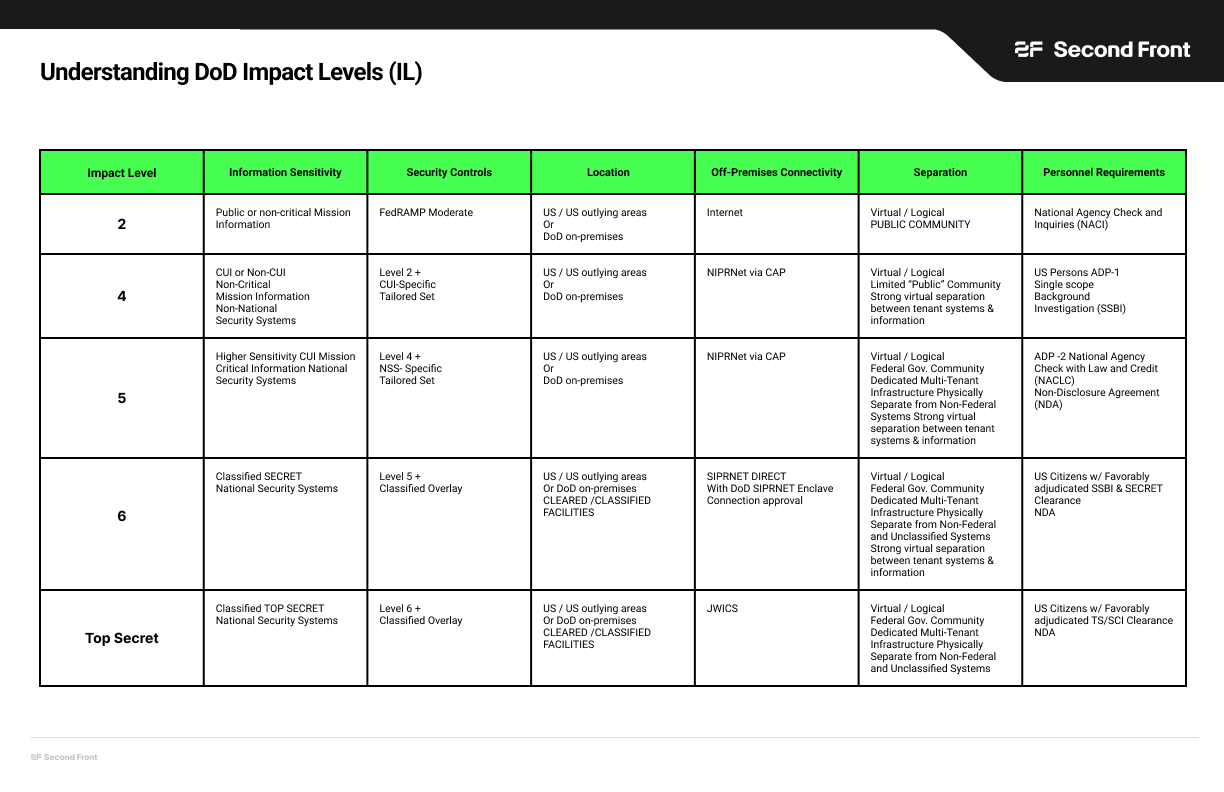
Second Front Systems DoD Authorization to Operate Blog Chart Image 2025


FY2025 NATIONAL DEFENSE AUTHORIZATION ACT (NDAA) SEC. 1522.

What does the language in Sec. 1522 of the FY25 NDAA on DoD Presumptive Reciprocity entail?

  • Tasks the DoD Chief Information Officer (CIO) to work with Military Department CIOs to develop and regularly maintain a digital directory of all Authorizing Officials (AOs) across the DoD. Specifically, this database will contain current contact information of the AOs AND list training requirements that must be completed to be certified and perform the duties of an AO.
  • Identifies the need to establish a policy for “Presumption of Reciprocal Software Accrediting Standards.” The DoD CIO is tasked with creating and implementing a policy for DoD that would require AOs to adopt security analysis and supporting documentation of cloud-hosted platforms, services, or applications that have been approved by another AO in the DoD.
    • This policy change will allow for more rapid adoption of cloud-hosted platforms, services, or applications at the corresponding classification level (e.g., CUI, Secret, Top Secret) with the existing approval conditions and no further authorization or approval reviews required.
    • The policy will include the following:
      • Standardization of security, accreditation, performance, and operational capabilities of the cloud-hosted platforms, services, and applications;
      • A digital workflow to document acceptance by/among the mission owners and system owners to use the operational capabilities from the cloud-hosted platforms, services, and applications;  and
      • Define an adjudication process with associated timelines that would allow AOs that disagree with using this policy to present their rationale to the DoD CIO or designated entity for reconciliation.
    • The policy applies to the following:
      • ALL AOs in the DoD (Military Department, Defense Agency and Field Activity, and Component).
      • ALL operational capabilities of cloud-hosted platforms, services, and applications that are on public cloud infrastructure and authorized through FedRAMP and DISA AND capabilities in private cloud landing zones managed by the DoD that have been approved by DoD AOs.

The big take away here is that the FY25 NDAA language marks a significant step forward in reducing bureaucratic hurdles for both technology companies and the DoD. By implementing “presumptive reciprocity,” the NDAA streamlines the ATO process, enabling faster adoption of cloud-hosted platforms and services while maintaining rigorous security standards. This policy helps ensure that the DoD can access cutting-edge technology more efficiently, empowering warfighters with the tools they need to execute their missions with speed and precision. As the DoD continues to modernize and adapt to rapidly evolving technologies, these changes pave the way for a more agile, secure, and effective defense ecosystem.


To learn more about Second Front Systems and the National Defense Authorization Act, visit our website and keep up with our latest efforts with the DoD.


Carahsoft Technology Corp. is The Trusted Government IT Solutions Provider, supporting Public Sector organizations across Federal, State and Local Government agencies and Education and Healthcare markets. As the Master Government Aggregator for our vendor partners, including Second Front Systems, we deliver solutions for Geospatial, Cybersecurity, MultiCloud, DevSecOps, Artificial Intelligence, Customer Experience and Engagement, Open Source and more. Working with resellers, systems integrators and consultants, our sales and marketing teams provide industry leading IT products, services and training through hundreds of contract vehicles. Explore the Carahsoft Blog to learn more about the latest trends in Government technology markets and solutions, as well as Carahsoft’s ecosystem of partner thought-leaders.

WEST 2025: Top 10 Insights on AI, Cybersecurity and More

Government leaders, military officials and industry professionals gathered at AFCEA’s WEST 2025 conference to discuss the newest technologies, modern networking capabilities and cybersecurity initiatives that enhance operations within the Sea Services. As a technology provider for the Department of Defense (DoD) and industry experts affiliated with the Navy, Carahsoft and its partners are deeply aligned with the goals of the Navy and Sea Services and is committed to providing mission-critical technologies to keep the country safe. Carahsoft and over 90 of our partners, including Adobe, Appgate, Crowdstrike, Docusign, HashiCorp, Hitachi, Qualys and WIZ joined at WEST 2025 to showcase solutions in artificial intelligence (AI), cybersecurity, DevSecOps, Zero Trust and more.  

Check out the action from San Diego, California in our West 2025 recap video!

Here are the top ten insights for the technology industry and Government from this year’s conference.  

1. Artificial Intelligence (AI) in the U.S. Navy

There are many opportunities for AI in the Navy, such as the OpenShip Tool and its usage of OpenAI’s Whisper model to translate incoming communications through the Navy’s Very High Frequency (VHF) radios. Remote monitoring can detect issues with technology and support rapid troubleshooting. AI can also be used to predict turnaround time, helping the workforce choose when to prioritize projects and deliver items on time.  

AI can simplify operations. PMS 406 unmanned Maritime Systems runs the Unmanned Maritime Autonomy Architecture (UMAA), whose architecture creates a low barrier of entry for operation. With AI, update 6.0 of the UMAA and the Navy’s “Replicator initiative,” which works to field hundreds of autonomous systems by August 2025,” every soldier could operate a drone.  

In the session “Fleet AI Deployment,” Lieutenant Artem Sherbinin, the Chief Technology Officer for the U.S. Navy ‘s Task Force Hopper, reviewed the three priority areas for the Navy’s AI usage, which are to: 

  • Outthink adversaries 
  • Enhance administrative work 
  • Maintain goal of keeping 80% of combat surge-ready fleet 

By using AI capabilities, the Navy can empower its acquisition force to act efficiently and quickly. Lieutenant Sherbinin also discussed two upcoming projects. Navy warships produce 150TB of data per warship per day. To manage this massive volume of data, the Navy is building a Warfighting Data and AI Ecosystem. This tool’s requirements are being drafted and will be submitted in the upcoming fiscal year, but currently include components such as data extraction, data processing and sensor updates to ships underway. Vendors should keep an eye out for pre-RFPs and RFI opportunities surrounding this capability.  The second project is a new Commercial Solutions Offering (CSO), the Surface Lethality CSO. This soon to be released solution will be released through the Defense Innovation Unit on AI for Surface Lethality, and will expedite decision-making and enable the Navy to keep ahead of adversaries.  

2. Red Teaming to Improve Cybersecurity

In the session “Leveraging Cloud to Accelerate Unmanned and Autonomous System (UAS) Mission Critical Capabilities,” Allen Mcafee, CTO of Fuse Integration, discussed the desire to increase red teaming—a process for testing cybersecurity by having allied hackers conduct non-threatening breaches—amongst autonomous systems to increase the robust quality of existing programs, especially in the electronic and kinetic fields. Vendors that specialize in cybersecurity solutions for autonomous systems should offer red team services to help solidify UAS security.  

3. The Importance of Maritime Trade to Cybersecurity

In the session “Office of Naval Intelligence Brief,” Rear Admiral Mike Brooks, Commander of the Office of Naval Intelligence (ONI), spoke heavily on the criticality of maritime trade and the effect it has on the posture of the Navy. Chokeholds on shipping ports can hinder the economy, and so ONI is placing further emphasis on gathering intelligence in this area to preserve supply chains.   

4. DISA’s New Cloud-Based Mission Partner Environment

To address logistic challenges, the Defense Information Systems Agency (DISA) developed a mission partner environment within the cloud. This tool acts as a joint sustainment decision tool and will feature an application hosting platform. DISA will initially host this environment, but is looking for commercial partners to host the platform and ensure its accessibility to all allies and partners. 

5. Business Initiatives

The Navy has upgraded its approach to doing business, releasing its Information Superiority Vision (ISV) 2.0. In the initial version, the Navy’s framework for business was “Modernize, Innovate and Defend.” The 2.0 System is: 

Optimize – IT teams can integrate new systems and turn off outdated ones 

Secure – Personnel should think proactively in the design phase, rather than the more reactive “defend” 

Decide – Staff places data into the hands of people who need it 

This new system focuses on being proactive and innovative, integrating a focus on the workforce. Vendors should determine how their solutions fit into one or more of these pillars when marketing their technology and solutions. 

Carahsoft WEST 2025 Blog Embedded Image 2025

The Navy can learn from all types of industries and technology. Former Commander of the U.S. Pacific Command and Former Ambassador to the Republic of South Korea Admiral Harry B. Harris Jr. recounts an example from the 1930s where the Marine Corps struggled to field a landing craft. The solution came from examining a small civilian craft in the local area, showcasing a “Higgins Boat Moment” where the Marine Corps were able to learn from civilian technologies, highlighting the importance of dual-use technology that is prioritized by the DoD. 

Business is fulfilled when employees have bandwidth. In the session “Bringing Enterprise IT to the Edge to Accelerate Innovation,” Captain Kevin White of the PEO C4I PMW/A 170 Navy Communications and GPS Navigation Program discussed how bandwidth can fall into three different categories: morale, business applications and tactical services. When sailors have excellent bandwidth for morale and business applications, they are more efficient tactically.  

The DoD is working on a portal that provides information and education on Small Business Innovation Research (SBIR) and Small Business Technology Transfer (SBTT) programs. This portal assists in creating effective proposals and understanding language and resources. This page, while accessible, is still in development and will continue to be fleshed out in the upcoming weeks.   

6. Renewing Technology

In the session “I’m charged with Putting a Flux Capacitor in a 1995 Mazda,” Brigadier General of the U.S. Marine Corps and Commanding General of the Marine Corps Installations West Nick I. Brown mentions that whether it is power systems or IT, infrastructure needs to be in place to accept new technology. Much of the DoD’s infrastructure is build on legacy systems or is out of date and needs to be replaced or upgraded before advanced solutions can be put in place. The U.S. Marine Corps is looking for vendors to help with new technology instillations and upgrading existing infrastructure, especially on the West coast. The U.S. Navy is allocating funds to achieve similar goals.  It aims to improve its outdated infrastructure and systems to carry out technology initiatives by the Program Executive Office Digital and support the Navy’s culture of excellence.  

In the session “Why Have a Lambo if You Don’t Have the Road?”, Col. Jared Voneida discussed five major areas that DISA is working on: 

  • Building commercial and Government data centers 
  • Improving theater transport and host nation infrastructure 
  • Fortifying existing cybersecurity infrastructure and Defensive Cyberspace Operations-Internal Defensive Measures (DCO-IDM) 
  • Maintaining command and control of the network 
  • Completing initiatives by 2027 

The Colonel also emphasized the need to divest from legacy time division multiplexing (TDM) infrastructure. While AI and machine learning (ML) has a plethora of uses, until AI/ML software divests from TDM infrastructure, DISA cannot utilize it effectively to assist with their network and data. With updated networks and hardware in place, the Navy and DoD can utilize the newest advanced solutions.  

7. IT at the Center of the Workforce 

To meet the rising demand in recruitment, the Navy has released its new enlisting agent, Robotics Warfare Specialist. With cybersecurity being more at the center of safety, the Navy aims to train more sailors in IT. Additionally, the Navy has released a new enlisted rating, Robotics Warfare Specialist, a new job that helps ensure effective planning and control of autonomous systems.  

8. Improving Productivity by Decreasing Troubleshooting

IT and software issues can lead to lost productivity. RAND Corporation, a research and development nonprofit, recently released a report regarding the viral LinkedIn post “Fix Our Computers” that highlighted user experience challenges with IT systems in the DoD. Their report estimated, on the conservative side, $2.5 billion in lost productivity due to IT and software difficulties.  The Sea Services aim to increase the user friendliness of software to decrease the time lost to troubleshooting. In the sessions “Bringing Enterprise IT to the Edge to Accelerate Innovation,” Captain White of the U.S. Navy attributed the largest productivity gaps to IT teams relying on command line programing. Captain White encourages industries to develop more user-friendly systems that do not rely on command lines.   

9. Compliance is No Longer Enough

In the session “DON CIO Perspective,” Navy CIO Jane Rathbun states that while Authority to Operate (ATO) tells you how secure a system is at that point in time, it does not encourage the readiness mindset that is optimal for protecting cybersecurity. Rathbun encourages switching to continuous monitoring and authorizations of systems, rather than stopping at ATO compliance. Rathbun specifically noted threat analysis and continuous monitoring as areas vendors might be assessed on in the future.  

10. DevSecOps Products that Improve Marine Corps Productivity 

The Marine Corps showcased 11 different products manufactured by the software factory product line related to development, security and operations (DevSecOps).  

Check out details on the products below: 

  • MyCareer – Supports the Manpower Management Enlisted Assignments (MMEA) and aids Marines by monitoring conversations, providing a virtual queue and matching partners based on data on marine preferences 
  • ItemEyes – Provides marine units with a digitized inventory 
  • Sensor Processing Analysis Radar Translation Application (SPARTA) – Hosts data from radar, automatic identification system (AIS) and unmanned systems all in one user-friendly interface 
  • CRUSADER – Controls, processes and detects radar information in one easy to use library 
  • Real-time Alerting, Interference Detection & Electromagnetic Reporting (RAIDER) – Provides real-time alerts for anomalies detected in the electromagnetic spectrum 
  • All-domain Electromagnetic and Radio Organic Trainer (AeroT) Helps Marines simulate and visualize their electromagnetic signature 
  • EXODUS – Provides evacuees located abroad with personal services, such as mobile passport processing 
  • TAK Design System – Helps Marines navigate and build plugins for Tactical Assault Kit (TAK) 
  • ReserveHub Enables Marines to find ideal areas when relocating, boosting retention rates 
  • SnapDB Analyzes pictures taken by unmanned aerial systems (UAS) 
  • J-Series Message Library, Government Open-Source (JSML) – Translates code into J-Series 

Through the developing partnerships between the technology industry and Government as well as Carahsoft and our partners, the DoD can streamline in areas such as artificial intelligence, cybersecurity, DevSecOps, compliance and more. These insights from West 2025 illustrate the Navy and Sea Service’s commitment to continual innovation and maintaining the safety of the nation.  

To learn more about cybersecurity and the defense industry, visit Carahsoft’s defense portfolio to explore solutions showcased at AFCEA’s WEST 2025. For additional research into the key takeaways industry and Government leaders presented at WEST, view Carahsoft’s extensive market research brief for a recap.  

How Defense Industrial Base Organizations Can Prepare for the CMMC Program


The New CMMC Rule 

The security of each organization that supplies goods or services to the Department of Defense (DoD) is of vital importance to the nation’s cyber resilience. The CMMC Program is a part of a holistic initiative by the DoD and Federal Government to enforce cybersecurity standards for DoD contractors and subcontractors and increase supply chain visibility and resilience overall. FedRAMP has increased the security levels of Cloud Service Providers (CSPs) and Software as a Service (SaaS) companies in the technology supply chain. Within the DoD supply chain, CMMC encourages DIB organizations to raise their cyber maturity and resilience. The Code of Federal Regulations (CFR) Title 32 rule passed its 60-day Congressional review on December 16, 2024, officially launching the new Cybersecurity Maturity Model Certification (CMMC) Program. The last remaining step to operationalizing CMMC is the CFR Title 48 rule, which will allow the Government to implement CMMC requirements into contracts and is estimated to launch this year. Defense Industrial Base (DIB) organizations will begin to see CMMC requirements in their contracts with the DoD and related agencies and must be prepared to demonstrate their compliance with the new regulations.  

In the latest version, DOD contracts will require one of three cyber maturity levels for all prime or subcontractor organizations under a given contract.  During Phase One of the program rollout, DIB organizations will need to provide a self-assessment of their relevant maturity level for the contracts they desire. Then in Phase Two, estimated to begin in 2026, maturity level two contracts will require assessments conducted by a third-party Cyber AB approved C3PAO.  The program will be completely rolled out over four phases.   


Gaining CMMC Compliance 

It will be vital for all organizations to have the relevant level of cyber maturity so that they can continue delivering work, goods and services to the DoD. Whether they are the prime contractor or a subcontractor, defense contractors should expect to see CMMC requirements in their contracts. Prime contractors will pass the maturity level requirements down to subcontractors as a condition of receiving sub-contract work.  

Carahsoft CMMC Rule for DIB Organizations Blog Embedded Image 2025

Since the DoD first announced the CMMC Program, it has been building momentum and communicating the framework of the Program to DIB organizations. While there have been minor changes, the core of the framework has remained consistent over the past four years. DIB organizations that have not begun working on compliance should start immediately so they can deliver a self-assessment in early 2025 or a third-party audit in 2026 if they are a level two contractor. With the limited supply of C3PAOs and CMMC assessors, there will likely be a supply shortage resulting in back logs for scheduling a CMMC assessment. Furthermore, organizations looking to utilize external service providers (ESPs) need to engage with those companies early, as there is a limited supply of available compliant options. Ultimately, gaining CMMC compliance is a critical national security mission. With cyber security and data becoming more paramount to the strength of a nation, protecting the data that resides outside DoD firewalls on contractor networks is imperative. 


Changes to the Contracting World 

CMMC encourages DIB organizations to raise their cyber maturity and resilience. Many DIB customers have begun with self-assessments, engaged with consultants for gap assessments and migrated to Government cloud products. This trend has spread to the civilian side of the Federal Government, as well as to American allies, who have discussed or announced mandatory certification programs modeled on National Institute of Standards and Technology (NIST) standards. But for some small and medium sized businesses, cost is a barrier to gaining CMMC compliance, especially for level two or above. The defense industry has responded to that challenge by innovating and developing more offerings for advisory and consulting services, managed services and purpose-built technology that will help companies accelerate their CMMC journey. This expansion of choice allows for a more ideal fit for each individual company based on its unique environment, considering factors such as in-house talent, available resources and budget.  

It is not just prime contractors that must have the appropriate CMMC certification, but subcontractors as well. They will need the same CMMC maturity level as their prime contractor before storing or processing any Controlled Unclassified Information (CUI) or Federal Contract Information (FCI) as part of a contract delivery. To maintain competitiveness, subcontractors will need to achieve CMMC compliance of their own.  Ultimately, the prime will be responsible for validating the CMMC maturity level of their subcontractors and will need to put in place a process to do so.  

Ultimately, CMMC compliance is a vital contribution to the security of Federal data. Whether an organization is beginning to research CMMC, scoping out the boundaries of their CUI environment, or preparing to remediate the gaps to full compliance, it is a good time to start thinking about CMMC compliance.  


How Carahsoft Can Help 

Carahsoft is a proud part of the cybersecurity industry and the CMMC ecosystem. Gaining CMMC compliance can be a costly and time-consuming process; Carahsoft can guide your organization through all the available options and help make decisions that are best suited to meet your organization’s unique needs. As a value added reseller that represents over 200 cybersecurity technology vendors, and with over 1000 team members focused on our wide breadth of cyber offerings, Carahsoft can support DIB organizations in addressing every CMMC maturity level and capability domain. Carahsoft can foster connections with service providers, subject matter experts and advisory consultants that can help organizations prepare for or execute a CMMC assessment. By tracking policies and trends that align with customer needs, Carahsoft can pair your organization with the right technology to address your needs, as well as offer news, educational material, events and other resources to make an informed decision for CMMC compliance.  

To learn more about gaining CMMC compliance, visit Carahsoft’s CMMC Compliant Products and Services portfolio 

Bridging Identity Governance and Dynamic Access: The Anatomy of a Contextual and Dynamic Access Policy

As organizations adapt to increasingly complex IT ecosystems, traditional static access policies fail to meet modern security demands. This blog instance continues to explore how identity attributes, and governance controls impact contextual and dynamic access policies—as highlighted previous articles; Governing Identity Attributes in a Contextual and Dynamic Access Control Environment and SailPoint Identity Security The foundation of DoD ICAM and Zero Trust, it examines the role of identity governance controls, such as role-based access (dynamic or policy-based), lifecycle management, and separation of duties, as the foundation for real-time decision-making and compliance. Together, these approaches not only mitigate evolving threats but also align with critical standards like NIST SP 800-207, NIST CSF, and DHS CISA recommendations, enabling secure, adaptive, and scalable access ecosystems. Discover how this integration empowers organizations to achieve zero-trust principles, enhance operational resilience, and maintain regulatory compliance in an era of dynamic threats.

Authors Note: While I referenced the DoD instruction and guidance, the examples in the document can be applied to the NIST Cybersecurity Framework, and NIST SP 800-53 controls as well. My next article with speak specifically to the applicability of the DHS CDM MUR and future proposed DEFEND capabilities.


Defining Contextual and Dynamic Access Policies

Contextual and dynamic access policies adapt access decisions based on real-time inputs, including user identity, device security posture, behavioral patterns, and environmental risks. By focusing on current context rather than static attributes, these policies mitigate risks such as over-provisioning or unauthorized access.

Key Features:

  • Contextual Awareness: Evaluates real-time signals such as login frequency, device encryption status, geolocation, and threat intelligence.
  • Dynamic Decision-Making: Enforces least-privilege access dynamically and incorporates risk-based authentication (e.g., triggering MFA only under high-risk scenarios).
  • Identity Governance Integration: Leverages governance structures to align access with roles, responsibilities, and compliance standards.

The Role of Identity Governance Controls

Identity governance forms the backbone of effective contextual and dynamic access policies by providing the structure needed for secure access management. Core components include:

SailPoint Bridging Identity Governance Blog Embedded Image
  • Role-Based Access Control (RBAC), Dynamic/Policy-based: Defines roles and associated entitlements to reduce excessive or inappropriate access.
  • Access Reviews: Ensures periodic validation of user access rights, aligning with business needs and compliance mandates.
  • Separation of Duties (SoD): Prevents conflicts of interest by limiting excessive control over critical processes.
  • Lifecycle Management: Automates the provisioning and de-provisioning of access rights as roles change.
  • Policy Framework: Establishes clear baselines for determining who can access what resources under specific conditions.

Balancing Runtime Evaluation and Governance Controls

While governance controls establish structured, policy-driven access frameworks, runtime evaluations add the flexibility to adapt to real-time risks. Together, they create a layered security approach:

  • Baseline Governance: Sets foundational access rights using role-based policies and lifecycle management.
  • Dynamic Contextualization: Enhances governance by factoring in real-time conditions to ensure access decisions reflect current risk levels.
  • Feedback Loops: Insights from runtime evaluations inform and refine governance policies over time.

Benefits of Integration

By combining governance controls with contextual access policies, organizations achieve:

  • Enhanced security through continuous evaluation and dynamic risk mitigation.
  • Improved compliance with regulatory frameworks like GDPR, HIPAA, and NIST standards.
  • Operational efficiency by automating access reviews and reducing administrative overhead.

The integration of contextual and dynamic access policies with identity governance controls addresses the dual needs of flexibility and security in modern cybersecurity strategies. By combining structured governance with real-time adaptability, organizations can mitigate risks, ensure compliance, and achieve a proactive security posture that aligns with evolving business needs and regulatory demands. This layered approach represents the future of access management in a rapidly changing digital environment.


To learn more about how SailPoint can support your organization’s efforts within identity governance, cybersecurity and Zero Trust, view our resource, “The Anatomy of a Contextual and Dynamic Access Policy.”


Carahsoft Technology Corp. is The Trusted Government IT Solutions Provider, supporting Public Sector organizations across Federal, State and Local Government agencies and Education and Healthcare markets. As the Master Government Aggregator for our vendor partners, including SailPoint, we deliver solutions for Geospatial, Cybersecurity, MultiCloud, DevSecOps, Artificial Intelligence, Customer Experience and Engagement, Open Source and more. Working with resellers, systems integrators and consultants, our sales and marketing teams provide industry leading IT products, services and training through hundreds of contract vehicles. Explore the Carahsoft Blog to learn more about the latest trends in Government technology markets and solutions, as well as Carahsoft’s ecosystem of partner thought-leaders.

Governing Identity Attributes in a Contextual and Dynamic Access Control Environment

In the rapidly evolving landscape of cybersecurity, federal agencies, the Department of Defense (DoD), and critical infrastructure sectors face unique challenges in governing identity attributes within dynamic and contextual access control environments. The Department of Defense Instruction 8520.04, Identity Authentication for Information Systems, underscores the importance of identity governance in establishing trust and managing access across DoD systems. In parallel, the Department of Homeland Security’s Cybersecurity and Infrastructure Security Agency (DHS CISA) guidance and the National Institute of Standards and Technology (NIST) frameworks further emphasize the critical need for secure and adaptive access controls in safeguarding critical infrastructure and federal systems.

This article examines the governance of identity attributes in this complex environment, linking these practices to Attribute-Based Access Control (ABAC) and Role-Based Access Control (RBAC) models. It highlights how adherence to DoD 8520.04, CISA’s Zero Trust Maturity Model, and NIST guidelines enable organizations to maintain the accuracy, security, and provenance of identity attributes. These efforts are particularly crucial for critical infrastructure, where the ability to dynamically evaluate and protect access can prevent disruptions to essential services and minimize security risks. By integrating these principles, organizations not only achieve regulatory compliance but also strengthen their defense against evolving threats, ensuring the resilience of national security systems and vital infrastructure.

SailPoint Governing Identity Attributes Blog Embedded Image 2025

Importance of Governing Identity Attributes

Dynamic Access Control

In a dynamic access control environment (Zero Trust), access decisions are made based on real-time evaluation of identity attributes and contextual information. Identity governance plays a pivotal role in ensuring that these attributes are accurate, up-to-date, and relevant. Effective identity governance facilitates:

  • Real-time Access Decisions: By maintaining a comprehensive and current view of identity attributes, organizations can make informed and timely access decisions, ensuring that users have appropriate access rights based on their roles, responsibilities, and the context of their access request.
  • Adaptive Security: Identity governance enables adaptive security measures that can dynamically adjust access controls in response to changing risk levels, user behaviors, and environmental conditions.

Attribute Provenance

Attribute provenance refers to the history and origin of identity attributes. Understanding the provenance of attributes is critical for ensuring their reliability and trustworthiness. Identity governance supports attribute provenance by:

  • Tracking Attribute Sources: Implementing mechanisms to track the origins of identity attributes, including the systems and processes involved in their creation and modification.
  • Ensuring Data Integrity: Establishing validation and verification processes to ensure the integrity and accuracy of identity attributes over time.

Attribute Protection

Protecting identity attributes from unauthorized access, alteration, or misuse is fundamental to maintaining a secure access control environment. Identity governance enhances attribute protection through:

  • Access Controls: Implementing stringent access controls to limit who can view, modify, or manage identity attributes.
  • Encryption and Masking: Utilizing encryption and data masking techniques to protect sensitive identity attributes both at rest and in transit.
  • Monitoring and Auditing: Continuously monitoring and auditing access to identity attributes to detect and respond to any suspicious activities or policy violations.

Attribute Effectiveness

The effectiveness of identity attributes in supporting access control decisions is contingent upon their relevance, accuracy, and granularity. Identity governance ensures attribute effectiveness by:

  • Regular Reviews and Updates: Conducting periodic reviews and updates of identity attributes to align with evolving business needs, regulatory requirements, and security policies.
  • Feedback Mechanisms: Establishing feedback mechanisms to assess the effectiveness of identity attributes in real-world access control scenarios and make necessary adjustments.

Risks Associated with ABAC and RBAC

ABAC Risks

ABAC relies on the evaluation of attributes to make access control decisions. While ABAC offers flexibility and granularity, it also presents several risks:

  • Complexity: The complexity of managing a large number of attributes and policies can lead to misconfigurations and errors, potentially resulting in unauthorized access or access denials.
  • Scalability: As the number of attributes and policies grows, the scalability of the ABAC system can be challenged, affecting performance and responsiveness.
  • Attribute Quality: The effectiveness of ABAC is heavily dependent on the quality of the attributes. Inaccurate, outdated, or incomplete attributes can compromise access control decisions.

RBAC Risks

RBAC assigns access rights based on predefined roles. While RBAC simplifies access management, it also has inherent risks:

  • Role Explosion: The proliferation of roles to accommodate varying access needs can lead to role explosion, complicating role management and increasing administrative overhead.
  • Stale Roles: Over time, roles may become stale or misaligned with current job functions, leading to over-privileged or under-privileged access.
  • Inflexibility: RBAC may lack the flexibility to handle dynamic and context-specific access requirements, limiting its effectiveness in modern, agile environments.

Importance to a Zero Trust Model

The Zero Trust model is predicated on the principle of “never trust, always verify,” emphasizing continuous verification of identity and context for access decisions. Governing identity attributes is integral to the Zero Trust model for several reasons:

  • Continuous Verification: Accurate and reliable identity attributes are essential for continuous verification processes that dynamically assess access requests in real-time.
  • Context-Aware Security: By governing identity attributes, organizations can implement context-aware security measures that consider a wide range of factors, including user behavior, device health, and network conditions.
  • Minimizing Attack Surface: Effective governance of identity attributes helps minimize the attack surface by ensuring that access rights are tightly controlled and aligned with current security policies and threat landscapes.

Governing identity attributes is a cornerstone of modern access control strategies, particularly within the dynamic and contextual environments that characterize today’s IT ecosystems. By supporting dynamic access, ensuring attribute provenance, protection, and effectiveness, and addressing the risks associated with ABAC and RBAC, identity governance enhances the security and efficiency of access control mechanisms. In the context of a Zero Trust model, the rigorous governance of identity attributes is indispensable for maintaining robust and adaptive security postures, ultimately contributing to the resilience and integrity of organizational systems and data.

To learn more about SailPoint’s cybersecurity capabilities and how it can support mission-critical DoD initiatives, view our technology solutions portfolio. Additionally, check out our other blog highlighting the latest insights into “The Role of Identity Governance in the Implementation of DoD Instruction 8520.04”.

Carahsoft Technology Corp. is The Trusted Government IT Solutions Provider, supporting Public Sector organizations across Federal, State and Local Government agencies and Education and Healthcare markets. As the Master Government Aggregator for our vendor partners, including SailPoint, we deliver solutions for Geospatial, Cybersecurity, MultiCloud, DevSecOps, Artificial Intelligence, Customer Experience and Engagement, Open Source and more. Working with resellers, systems integrators and consultants, our sales and marketing teams provide industry leading IT products, services and training through hundreds of contract vehicles. Explore the Carahsoft Blog to learn more about the latest trends in Government technology markets and solutions, as well as Carahsoft’s ecosystem of partner thought-leaders.

The Role of Identity Governance in the Implementation of DoD Instruction 8520.04

On September 3, 2024, The Department of Defense (DoD) released Instruction 8520.04, titled “Access Management for DoD Information Systems,” that serves as a foundational policy guiding the secure and efficient management of access to DoD information systems. The instruction mandates protocols for managing access across various environments, including military networks and systems used by both person entities (PEs) and non-person entities (NPEs) such as devices, applications, and automated processes. At the core of this policy is the principle of identity governance, which is essential for ensuring that access to sensitive systems and data is granted, monitored, and revoked based on verified identity attributes and defined security policies.

In the dynamic cybersecurity landscape, the concept of identity governance refers to the frameworks and processes that manage the lifecycle of digital identities. This includes the creation, management, and deletion of user accounts as well as the provisioning and de-provisioning of access rights based on a combination of user attributes, roles, and organizational policies. Identity governance is critical for compliance with the DoD’s Zero Trust Architecture, as outlined in the DoD Zero Trust Strategy. It emphasizes least privilege, continuous verification, and dynamic access control, all of which are key components of DoD Instruction 8520.04​.

The policy serves as maturation of the departments ICAM initiatives over the past few years and highlights some key concepts that need to be adopted across the departments ecosystem. Here are some key examples of how identity governance aligns with and strengthens this policy:

1. Access Control and Provisioning

One of the primary elements of identity governance is the effective provisioning and de-provisioning of access. This aligns with Section 4 of DoD Instruction 8520.04, which mandates that access to systems be carefully controlled through explicit or dynamic mechanisms. Explicit access involves manually provisioning access rights to specific users, which must be meticulously documented and approved by system or resource owners. On the other hand, dynamic access relies on real-time attribute verification to grant or deny access based on the most current information available, such as the user’s role, location, or security clearance​.

SailPoint Identity Governance for the DoD Blog Embedded Image 2024

Identity governance solutions play a crucial role in these processes by automating provisioning and de-provisioning based on predefined policies. When a user’s role changes or they leave the organization, governance systems automatically adjust access rights, ensuring compliance with de-provisioning requirements. This automatic adjustment helps prevent orphaned accounts—user accounts that are no longer needed or authorized—which can pose serious security risks if left unmanaged.

2. Authoritative Attribute Services

DoD Instruction 8520.04 emphasizes the importance of authoritative attribute services (AAS) in maintaining the accuracy, integrity, and security of identity attributes used in dynamic access decisions. Identity governance frameworks are designed to integrate with these authoritative services, ensuring that identity attributes such as security clearance levels, employment status, and role-based entitlements are accurate and up-to-date. This enables the DoD to enforce dynamic access control based on real-time identity data​.

For example, a DoD system that relies on dynamic access might check a user’s current security clearance, job function, or location in real time before granting access to a sensitive file or system, or assign a critical role. These checks are enabled by robust identity governance systems that pull data from authoritative attribute services and apply organizational policies to ensure that access is only granted to those who are fully authorized and meet the predefined criteria.

3. Least Privilege and Separation of Duties (SoD)

The concept of least privilege—granting users the minimum level of access necessary to perform their duties—is another foundational principle of both identity governance and DoD Instruction 8520.04. In Section 4.2 of the instruction, system and IT resource owners are required to document and implement explicit access policies that adhere to least privilege standards. Furthermore, systems must implement SoD controls to prevent a single user from having conflicting roles, such as both creating and approving financial transactions​.

Identity governance frameworks are uniquely equipped to manage SoD by automating the assignment of roles and enforcing policies that prevent users from being granted conflicting privileges. Governance solutions continuously monitor user access and provide alerts if SoD violations occur. By integrating these capabilities with the DoD’s access management protocols, identity governance helps ensure that users cannot escalate their privileges or circumvent access controls, thereby reducing the risk of insider threats and security breaches.

4. Continuous Auditing and Compliance

Continuous auditing and monitoring of user access is a critical requirement under DoD Instruction 8520.04, particularly for privileged users. Identity governance solutions enable DoD components to implement robust audit trails that track every access request, change in privileges, and system interaction. This is particularly important for IT privileged users—those with elevated access to critical systems and sensitive data—who require enhanced monitoring to detect and respond to suspicious activity​.

Through the use of identity governance tools, DoD organizations can enforce periodic access reviews, as mandated by the instruction, to ensure that users only have the access they need and that privileged access is justified and properly documented. These reviews are automated and documented within governance systems, reducing the manual workload on administrators and enhancing the overall security posture by ensuring compliance with regulatory requirements.

5. Integration with Zero Trust Architecture

The DoD Zero Trust Strategy emphasizes the need for continuous verification of users and devices as they request access to systems and data, rather than assuming trust based on their presence inside the network perimeter. Identity governance systems are integral to the implementation of Zero Trust principles within the DoD, as they enable real-time verification of identity attributes and ensure that access is granted only after all conditions are met​.

For instance, an identity governance system might check not only a user’s identity but also their security status, the network they are using, and the time of the access request before enabling access to sensitive data. This multi-layered approach to access control ensures that even if one security measure is compromised, others are in place to protect critical resources.

In Conclusion

Identity governance is a foundational element of the DoD’s efforts to secure access to information systems under DoD Instruction 8520.04. By providing a structured approach to managing digital identities, provisioning access, enforcing least privilege and separation of duties, and maintaining continuous auditing and compliance, identity governance systems enable the DoD to meet the stringent security requirements laid out in the instruction. Furthermore, identity governance is a critical enabler of the DoD’s shift toward a Zero Trust Architecture, ensuring that access to sensitive systems is dynamically controlled based on real-time identity attributes and organizational policies.

As cyber threats continue to evolve, the integration of identity governance with access management protocols like those found in DoD Instruction 8520.04 will be crucial in maintaining the security and integrity of the DoD’s information systems and the data they protect.

For a details of how SailPoint Identity Security supports the departments current ICAM and Zero Trust initiatives, and specifically how the capabilities of the platform align with the requirements of the policy, please download the report here.

The Evolution of Technology in the Defense Industry at DoDIIS

Innovation in Government benefits the changing and growing needs of the nation, and the Department of Defense (DoD) leads the way in both innovation and security. The Department of Defense Intelligence Information System (DoDIIS) is a conference for the nation’s top military and technology specialists to share insights revolving around the show’s theme – ‘Chaos to Clarity: Leveraging Emerging Technologies.’ Fed Gov Today joined Carahsoft on the show floor to discuss IT and OT updates, artificial intelligence (AI) and machine learning (ML) and priority technology updates with military thought leaders.

Departmental Shift to Information Technology

Carahsoft DoDIIS Defense Recap Blog 2023 Embedded Image 2024The DoD aims to refresh technology and standardize user experience across the department as a response to employee feedback. These standards are partially inspired by Zero Trust models and codifying existing standards. Through the implementation of office management and hiring defense digital service experts, agencies will update hardware and endpoints, refresh outdated technology and enhance overall IT capabilities. Executing these standards will require time and financial resources, and to properly utilize all acquired resources, a new generation of industry professionals will need to be onboarded. By building off effective processes from previous initiatives and hiring new talent that is optimally suited for these processes, the department can make strides in software such as cloud computing, generative AI and Zero Trust. The introduction of the Joint Operational Edge Cloud (JOEC) is also critical in accelerating cloud computing for combat tactical edge usage during the interim shifts in technology. At record speeds, the DoD must move from hardware defined enterprise towards modifying software.

AI Evolution

While AI is in its infancy, prototypes show a promising and interesting future where machines are trained to complete work. With more than 1,200 AI applications across civilian agencies, and various similarities and differences in the way AI is used by Government and commercial agencies, there is a lot the Federal sphere can learn from commercial agencies. In the private sector, companies tend to build back-end architecture for AI, providing fast access to all data. The Federal Government can optimize this plan by automating AI/ML to gain tactical advantage against machine adversaries. AI can also aid in predicting component failure. This helps agencies get hardware and software back on track as soon as possible, as well as help with mission planning. The private sector offers a myriad of ideas the Government can leverage for efficiency, such as AI in healthcare, sustainable energy and creative component and finance management.

DIA Initiatives

The Defense Intelligence Agency (DIA), a service provider on behalf of the defense industry, has a comprehensive IT strategy made up of five key priorities:

  1. Among both classified and unclassified networks, the DoD should implement top secret connection.
  2. With the transition to working from home, employers must enable workplace inclusivity through technology, especially for employees with disabilities.
  3. Enable workers to access data applications from one fully integrated place by consolidating network systems, such as desktop environments.
  4. As internally shared information becomes more complex, the DIA must update technology to strengthen intelligence sharing.
  5. Authorize worldwide connectivity for the Joint Worldwide Intelligence Communications System (JWICS), the DoD’s house for sensitive information. This means a reliable and secure connection regardless of environment and its proximity to data centers.

By maintaining pace with world class technology such as the cloud and AI, the DoD will lead the nation in secure communication and strategies.

Check our more resources, interviews and highlights from the event floor at DoDIIS at FedGovToday.com.

Mobilizing Law Enforcement Agencies Through Technology and Security Innovations at IACP 2023

Law enforcement professionals provide a crucial function in society. By leveraging modern technology advancements, agencies can achieve that quality of service and keep the American people safe from ongoing threats. The International Association of Chiefs of Police (IACP) Annual Conference and Exposition 2023 offered law enforcement agencies and security professionals the opportunity to learn from experts in the top fields, develop partnerships and get access to technologies that will aid in navigating the current landscape.

Securing Sensitive Law Enforcement Data 

A reoccurring challenge for law enforcement is an increase in ransomware attacks against them. Agencies reported a significant jump in attacks in the last two years, from 34% of departments reporting a ransomware hack in 2021, to nearly 69% in 2023. The average ransomware payment increased 500% in 2023 to over $1 million and over 25% of these attacks began with a phishing or malicious email. To combat this, agencies and departments must strengthen their cybersecurity postures and align with the NIST Cybersecurity Framework. Speakers at IACP provided five themes of questions agencies should ask to evaluate their cyber readiness: 

  1. Identify: Is our agency able to find weak spots, prioritize our response to them and track them? Have we done asset management, risk assessments and supply chain risk management? 
  2. Protect: Is our “front door” locked? Are we taking proactive measures to protect our data today? Have we implemented identity and access management (IAM), awareness and training and overall data security procedures? 
  3. Detect: Can we tell when something goes wrong? Can we identify issues confidently and quickly in the case of an anomaly? 
  4. Respond: How do we respond when bad things happen? Have we instituted clear communication, analysis, mitigation and response planning? 
  5. Recover: Are we ready to recover and learn from an incident and make the necessary changes to ensure it does not happen again? 

Carahsoft IACP 2023 Law Enforcement Tradeshow Recap Blog Embedded Image 2024Addressing these questions and acting on them means committing to fostering a culture of security and secure best practices. There are many technologies that can aid in this endeavor including artificial intelligence (AI) Ops, which assesses system patterns and behaviors to identify and surface anomalies; IAM, which provides an extra layer of authentication through biometrics and contextual authorization; and cloud and virtual environments, which agencies can employ in combination with infrastructure-as-a-service to enhance security. 

The Federal Bureau of Investigation (FBI) Criminal Justice Information Services (CJIS) has released two new updates to its security policy, Versions 5.9.1 and 5.9.2, based on the key pillars of data confidentiality, integrity and availability. These policies now require initial security training for personnel who need access to Department of Justice (DOJ) materials as well as the completion of yearly training for the extent of their access time. In conjunction with these policies are key technologies to safeguard data such as IAM, multi-factor authentication (MFA), system monitoring and others. Employing these solutions and safety measures boost community trust in law enforcement and the security of digital evidence. CJIS policies also reiterate to law enforcement officers the importance of doing their due diligence in securing both the data and their vital tools that otherwise could be rendered obsolete in the event of an attack. The Cybersecurity and Infrastructure Security Agency (CISA) has dedicated funding for state agencies to help with this endeavor of protecting the LE cyber space. 

Rising Innovative Technologies for Law Enforcement Agencies 

Implementation of body worn cameras (BWC) has been a growing initiative for law enforcement (LE) agencies for the last several years. With the Bureau of Justice Assistance’s Body Worn Camera Policy and Implementation Program (BWCPIP) more departments are able to receive grant funding and training for BWCs allowing more widespread usage of the technology especially in small, rural or tribal LE agencies. So far, this program has provided over $180 million in funding towards this effort. To support these BWC data advancements and further the technology benefits, LE agencies are looking for cloud storage and organization solutions, interoperability for data sharing, AI algorithms to efficiently tag videos and analytics software to pull relevant insights. 

AI in the law enforcement field also provides many other time saving benefits including automating some procedures and everyday tasks like report writing. Before implementing AI, agencies must audit their current processes to assess the specific use cases and preemptively address any challenges. Establishing guidelines for AI usage by law enforcement, not only assists internally with governance and accountability, but also helps build public trust by delineating the technology capabilities. 

Drones are another up-and-coming technology displaying value across public safety and emergency response. In the aftermath of Hurricane Ian in 2022, LE agencies deployed unmanned aircraft systems (UAS) and, through these drones, were able to conduct situation assessments, wide area searches, mapping of critical roadways to expedite the movement of resources and more. This UAS teaming approach has increased the speed and efficiency of first responders, as well as the ability to easily share the information with other agencies. 


Whether it is body worn cameras and drones, or AI, cloud and other solutions, security must be baked into the technology and operational processes. As partners in this current landscape, every party involved both in law enforcement and industry has the responsibility to educate themselves and maximize collaboration and the technologies available to continue to make the United States a safe place.  

To learn more about Carahsoft’s Law Enforcement Technology Solutions, visit our vertical portfolio and start your journey to enabling a safer tomorrow. 


*The information contained in this blog has been written based off the thought-leadership discussions presented by speakers at the IACP Annual Conference and Exposition 2023.*