
Innovation and collaboration are imperative to drive growth and transformation in State and Local Governments, as well as the need to invest in education and training to prepare the workforce for the jobs of the future. At the Carahsoft Digital Transformation Roadshow in Columbus, Ohio, Government IT and industry leaders engaged in dynamic discussions around the role of technology in shaping the modernization of the state of Ohio and beyond.
Technology Innovation in State and Local Government
Ohio State and Local agencies have begun to integrate innovative technologies to drive better decision-making while lowering the cost of ownership for IT systems; however, this requires significant investment in infrastructure, training and talent acquisition. Agencies must also ensure cybersecurity and risk management, as the use of new technology can create new vulnerabilities. There is a critical need for education, collaboration and innovation as State and Local agencies reimagine the future workforce which is an ever evolving complex and diverse ecosystem.
When faced with implementing technologies like artificial intelligence (AI), internet of things (IoT) and other transformational technologies, comprehensive planning is the best way forward for State and Local agencies. By doing the planning upfront, agencies can ensure that they have the right tools to manage vulnerabilities, mitigate risks and drive innovation.
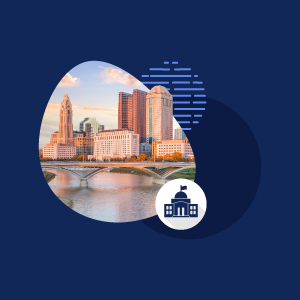 Utilizing a single platform that connects automation of other tools into that platform helps agencies get real-time data reporting and addresses risk within the organization. By using multiple endpoint management and security tools in a single platform, agencies can streamline their operations, reduce costs and improve their overall security posture.
A local agency in Westerville, Ohio has started using data for applied analytics and customizing citizen experiences using a feedback model. This approach involves analyzing and interpreting data to improve services and provide a more streamlined citizen experience for services like trash collection, public safety and traffic management. By using data to drive decision-making and improve services, agencies can become more efficient, effective and responsive to the needs of citizens.
Building a Resilient Government
Modernizing systems, which is the top priority for building a resilient Government, will improve citizen services, generate cost savings, increase security and provide a more holistic, human-centered Government experience. Many State and Local agencies have outdated systems and need to modernize their infrastructure and business processes to make commerce more accessible and efficient. This involves evaluating areas for improvement, such as replacing fax machines with modernized digital tools and platforms and consolidating multiple systems into a few with all the key functionality they need.
The Ohio Department of Aging (DoA) implemented a tenant of rapid response in which automated systems provide emergency staffing within 24 hours for long-term care facilities and nursing homes during the COVID-19 pandemic and continue to this day. The DoA has also worked on predictive modeling utilizing the Governance, Risk and Compliance (GRC) organizational strategy to identify potential issues and respond proactively. Additionally, it has focused on meeting citizens’ needs through an omnichannel approach, using interoperable data analytics and predictive modeling to provide a more personalized and efficient experience.
Combating Cyber Threats in Government
Public Sector organizations face a range of cybersecurity risks, including data exploitation, insider threats, third party vulnerabilities, ransomware, identity theft and fraudulent access to State Government services. To mitigate these risks, agencies can take steps such as implementing strong access controls, regularly updating software and systems, conducting employee training on cybersecurity best practices and partnering with other organizations to share threat intelligence and collaborate on incident response.
Cybersecurity and Infrastructure Security Agency (CISA) offers several services to assist Government agencies with cybersecurity, including assessments and external dependency mapping. These services are provided at no cost to agencies, as they are already paid for by federal taxpayers. The services include:
- Cybersecurity assessments: conduct cybersecurity assessments, which can help identify vulnerabilities and areas for improvement.
- Ransomware readiness assessments: prepare for and respond to ransomware attacks, which are a growing threat to State and Local Governments.
- External dependency mapping: identify and assess third-party vendors and other external dependencies, which can be a source of cybersecurity risk.
- Threat intelligence sharing: provide agencies with information on emerging threats and best practices for defending against cyber-attacks.
- Incident response planning: develop and test incident response plans, which can help ensure a coordinated and effective response in the event of a cyber-attack.
As cybersecurity threats become more sophisticated, it is increasingly critical for individual employees to be aware of the risks and take steps to protect their agency. Following best practices for password management, avoiding suspicious emails and links and reporting any potential security incidents to IT or security personnel is imperative. Agencies should provide regular training and offer resources such as phishing simulations to help employees become more vigilant.
Agencies must continue to leverage technology, utilize resources like CISA, stay up to date on the latest best practices and remain committed to meeting citizens’ needs. By embracing technology innovation, State and Local agencies can create a brighter future for all.
Explore more resources and learn more about Carahsoft’s State and Local Roadshow Series: Digital Transformation by visiting our Roadshow portfolio.
*The information contained in this blog has been written based off the thought-leadership discussions presented by speakers at Carahsoft’s Digital Transformation Roadshow.*
 Accessibility, often considered a compliance requirement, is at the core of this transformation. Yet, true accessibility encompasses more than technical compliance. It demands a cultural shift towards empathy and understanding. It calls for dedicated teams to champion accessibility at every stage of service delivery. It challenges agencies to view every interaction as an opportunity to forge a deeper connection with citizens.
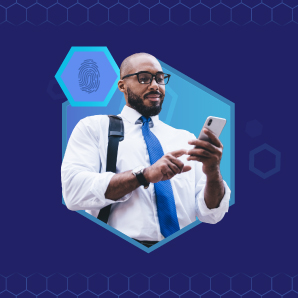 Customers want easy access to services, and this requires a secure, trusted, personal Government-issued digital identity. Having an individualized login allows customers to establish their identity online before completing important tasks, such as making child support payments or searching for unemployment insurance. To be as secure and validated as possible, these logins should be operated by an organization that does not have a motive to leverage private information to sell customer data for profit.
 Developing a DEIA strategy involves a multitude of moving pieces like analyzing data, enforcing requirements, measuring effectiveness and ensuring progress. All of these areas culminate in sustainable cultural intelligence for organizations. Starting the conversation around DEIA in the context of CX begins with the on-going theme of communication rooted in trust—especially employee and customer trust in the Government. During
  Agencies should design interfaces with CX at the forefront. Professionals, such as designers, whose job is to understand how users adapt to natural patterns in software, should have a seat at the table to help integrate new features. This way, new technology is as easy to understand as possible, by as many people as possible. Allowing users to get involved in iterative cycles as updates are added will allow agencies to evolve their solutions as they go. By following previous successes, the overall user experience will improve.
 Untapped Resources
 After collecting data, agencies need to know how to sift through it to find relative action items. To provide better customer service, agencies need to find measurable results from these initiatives. Actionable plans should be formed around the data results. Ultimately, the customer’s experience must guide agency programs.
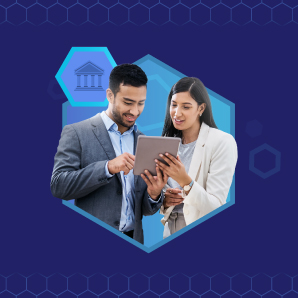 Great CX starts with an organizational understanding that building and sustaining trust matters. With that agreement in mind, organizations can better support the mission of delivering efficient CX by learning and adapting to the needs of people they are serving. Agencies should provide visibility to customers on the timeliness and process of their requests, as well as deliver on their promises to foster trust and assurance of reliability. Using human-centered design throughout all stages of CX is also essential for understanding the human perspective and anticipating customer needs. As data is collected throughout the human-centric design approach, organizations gain actionable insights that help them create the best tangible solutions for customer challenges.
 What is the best way to provide care? Offering constituents and customers equal and equitable access and care means government employees need to be prepared to handle a variety of problems. First, the experience of each individual should be at the forefront of every interaction; customers should be treated with respect to their wishes and goals. Second, making the customer feel valued and heard is critical in every encounter. Customer service should not be transactional, but relational. By building trust with clients, agencies establish value now and for the agency’s future. Third, service should take into account who the individual receiving the assistance is as a person.