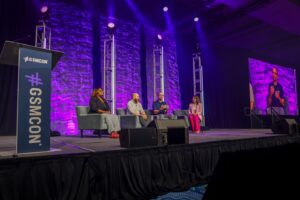
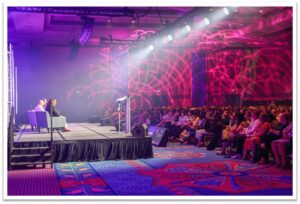
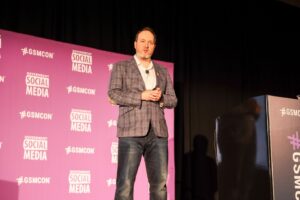
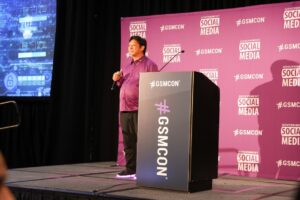
As expectations evolve, Government agencies are redefining how they communicate with the public online. The Government Social Media Conference 2026 (GSMCON) highlighted how Public Sector organizations are adapting their approaches to constituent engagement. The conference gathered over 1,000 Government communicators, senior leaders and social media professionals from across the country in New Orleans, LA to learn strategies on how to build trust, deliver meaningful experiences and demonstrate value across the organization through social channels.
This year, speakers highlighted how Government agencies can better serve their communities while navigating resources, evolving leadership priorities and platform changes from multilingual communication strategies to stronger internal alignment.
Here are the top takeaways from the conference.
Human-Centered Storytelling Builds Trust and Engagement
Across all sessions, the importance of authenticity emerged as a consistent theme. Constituents are more likely to engage with content that reflects real people and real experiences rather than overly polished messaging.
Leading agencies are prioritizing:
- Frontline individuals who represent the day-to-day work of Government
- Simple, approachable content that removes barriers to participation
- Internal recognition to encourage staff involvement and ownership
Whether highlighting public safety personnel, infrastructure teams or community outreach efforts, these human moments strengthen credibility and foster meaningful connections.
For Public Sector organizations, storytelling is a strategic tool for reinforcing transparency, trust and genuine relationships with the community.
Effective Content Must Capture Attention Immediately
Today’s digital environment requires Government communicators to deliver significant impact quickly. Agencies have just a few seconds to capture attention and communicate mission-critical messages.
High-performing content typically:
- Begins with the most compelling moment or insight
- Uses clear, concise visual and text elements
- Creates curiosity that encourages continued engagement
Short-form video remains one of the most effective formats for reaching constituents. Successful execution depends on pacing, clarity and intentional storytelling that aligns with how audiences consume information.
Agencies should focus on designing content that is both efficient and engaging while maintaining accuracy and professionalism.
A Structured Campaign Approach Improves Results

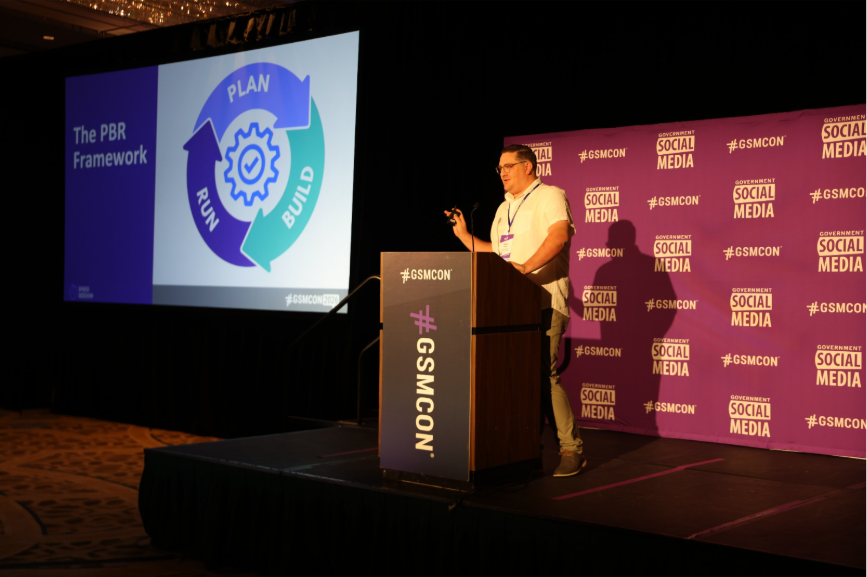
As Government social media programs develop, a more intentional and consistent campaign approach is becoming essential for sustaining effective communication over time. Zack Seipert, Marketing and Communications Specialist at the Central Utah Water Conservancy District, highlighted the value of the Plan-Build-Run (PBR) framework as a reliable, repeatable model for planning and executing these efforts:
- Plan: Define clear objectives, identify your audience, establish Key Performance Indicators (KPIs) and select the right channels based on where constituents engage
- Build: Develop compelling creative, implement tracking tools and refine audience targeting for accuracy and relevance
- Run: Monitor performance, optimize in real time and apply insights to strengthen future campaigns
This structured approach helps Public Sector teams create more data-driven campaigns aligned with organizational priorities while delivering measurable results.
With social media management solutions from our partners at Hootsuite, Public Sector social media teams can maximize limited resources by streamlining workflows and gaining clearer visibility into performance across channels.
Internal Alignment Strengthens External Impact
When a Public Sector agency is imparting the same message internally as it is to the public, the impact delivered is much stronger. In the session “This is How We Do It: How to Turn Employees into the Stars of Our Social Story”, Charles Newman of the City of Columbus Department of Public Service emphasized that strong internal alignment starts with bringing employees into the communication process, helping connect day-to-day work to broader messaging goals.
In “Managing Social Media Response Through Crisis and High-Pressure Events”, Kate Stegall of the Louisiana State Police highlighted the importance of clear internal coordination during high-pressure situations to ensure messaging remains consistent across teams and aligned with agency priorities.
Effective strategies include:
- Delivering regular reports that clearly link performance to agency priorities
- Using clear language that supports informed decision-making
- Providing actionable insights and recommendations alongside metrics
- Building relationships through cross-department collaboration
Short-Form Video Plays a Key Role in Government Communication
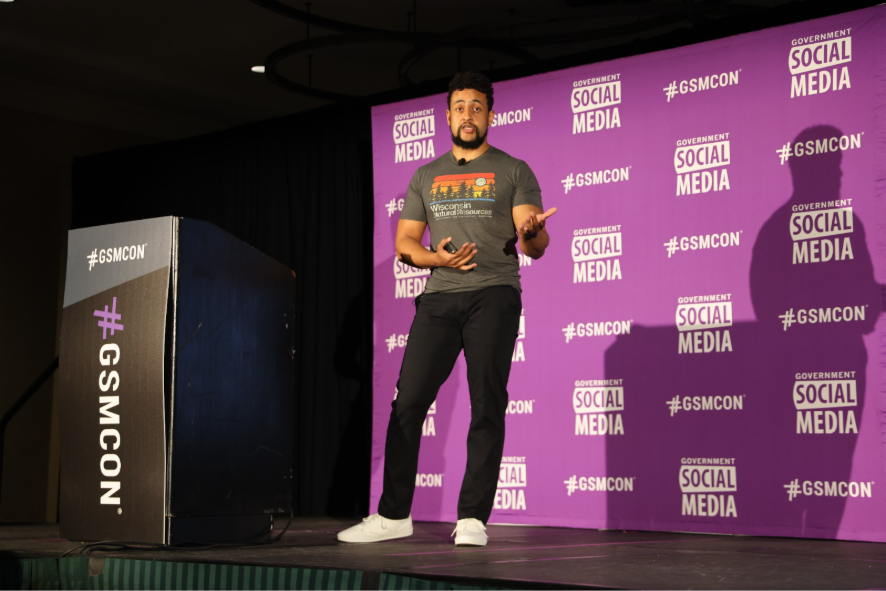
Multiple sessions emphasized that short-form video has become a core channel for effective Government communication and audience reach. In “60-Second Stories: Trim the Fat & Hold Attention”, Daniel Robinson of the Wisconsin Department of Natural Resources (DNR) highlighted how concise storytelling is essential for maintaining viewer attention in fast-moving social feeds, especially when communicating public updates and educational content.
Similarly, in “Reels for Social Recruitment”, Wendy Aguilar of the Sacramento Fire Department demonstrated how short-form video can be used strategically for workforce recruitment. Aguilar showed that authentic, behind-the-scenes content often outperforms highly produced messaging when building trust and interest.
In “Strategy, Workflow & Team Culture for Consistent Reel Creation,” Meredith Haynes and Tony Adamo of the City of McKinney, TX, reinforced that success with short-form video depends less on one-off content and more on building repeatable workflows and cross-team collaboration.
Across these breakouts, speakers consistently pointed to short-form video as a high-impact tool for storytelling, recruitment and public information, especially when supported by clear strategy, consistent execution and content designed for how audiences consume information today.
GSMCON 2026 highlighted a continued evolution in how Government and Public Sector organizations approach social media. The focus is shifting toward intentional, strategic communication that prioritizes trust, clarity and measurable impact.
By applying these best practices, Government organizations can build a stronger social media presence and foster stronger, more meaningful relationships with the constituents they serve.
To further explore the tools, trends and strategies shaping digital engagement in Government, visit Carahsoft’s Customer Experience and Engagement Solutions page and see our portfolio of Government Social Media solutions.
Contact the Hootsuite Team at Hootsuite@Carahsoft.com to learn more about how Carahsoft’s Government social media management tools can support your organization’s digital strategy.