Moving Upstream: The Evolution of Software Supply Chain Attacks
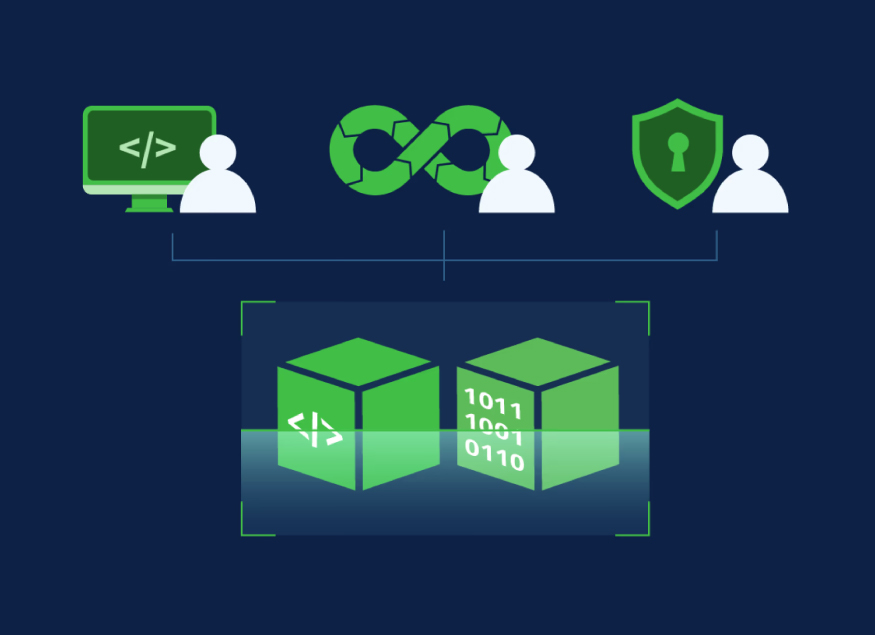
The software supply chain consists of multiple components, touching every piece of code from the moment of conception to the moment of deployment into a Government application. This includes a variety of software, including third-party libraries, open source components, build tools and software architecture, making it a valuable target to hackers.
The software supply chain threat landscape has evolved from a series of disjointed yet targeted attacks to a broader upstream poisoning strategy. Historically, malicious actors targeted specific agencies; today, they have shifted to targeting upstream public software libraries and repositories. These open source libraries are used by thousands of Government agencies and can cause untold damage in a single attack. In the Public Sector, a compromised supply chain does not just mean a data link—it can constitute a threat to national security.
Several real-world cyberattacks exemplify this pattern change, including the 2025 Shai-Hulud software supply chain attack and the 2025 GlassWorm Integrated Development Environment (IDE) extension cyberattack. Malicious actors contribute code that appears to be helpful to public open source projects that contain hidden backdoors or vulnerabilities. In this case, it grants access to systems run by Government agencies.
Some hackers target the developer toolchain and IDE more broadly, as shown in the GlassWorm IDE extension cyberattack. GlassWorm was a self-propagating vulnerability whose initial threat injection was through an IDE extension download through a popular IDE extension marketplace. Other malicious actors have targeted artificial intelligence (AI)-powered supply chains, taking advantage of the speed and power of AI to propagate sophisticated multi-threaded threat campaigns against the developer ecosystem.
Setting Up for Success: Security Built Into the Process
In February 2022, the US Government published the National Institute of Standards and Technology (NIST) Secure Software Development Framework (SSDF) to combat threats to the software security chain. This publication divides guidance under four main practice groups:
- Preparing the organization
- Protecting the software
- Producing well-secured software
- Responding to vulnerabilities
These groups shift the model from fragmented security tools stitched together toward a unified process in which the security is baked directly into the developer’s workflow. For agencies, this framework provides a common language from which they can all develop a cohesive, secure and regulated software supply chain.
One of the ways developers can secure their supply chains is through Software Bill of Materials (SBOMs). SBOMs are essentially recipes for software; they outline all of the components inside a piece of software. These became required through Executive Order (EO) 14028 but creating them manually at the speed of modern DevSecOps is nearly impossible. Furthermore, as the Government manages risk and prepares for quantum-safe cryptography, the ability to support industry-standard and Federal compliance requirements for Software Package Data Exchange (SPDX) and CycloneDX SBOM formats, which include Vulnerability Exploitability Exchange (VEX) and cryptographic information, is mandatory for mission success.
The automation of SBOMs affects multiple components of the software supply chain:
- Real-Time Visibility: Agencies have insight into all aspects of the software supply chain, from the deployment of a new line of code to the introduction of common vulnerabilities and exposures (CVE) to their inventory.
- Reach of Vulnerability: DevSecOps teams can look at a vulnerable part of a library and determine the status of execution, the path of remediation and how agencies should prioritize remediation efforts.
- Continuous Compliance: Every automated SBOM ensures that every release is compliant with Federal standards without requiring manual audit every time.
Beyond SBOMs, Federal agencies can focus on implementing other safeguards. Developing a curation process to vet open source libraries and components before they are ever downloaded is a critical first step. Agencies should examine potential application and service exposures, such as leaked credentials or backdoors in the software architecture. Additionally, securing the code at the binary level ensures that what was tested and developed is exactly what is run in production.
The JFrog Software Supply Chain Platform: All in One
From inception of code to runtime during mission-critical operations, having a single platform that provides security and visibility across the Software Development Life Cycle (SDLC) is crucial. The JFrog Platform ensures those factors by focusing on universal binary management. It supports over 30 open source packages, including Docker, Maven and Python. JFrog Artifactory, JFrog’s universal artifact repository manager, manages this package from one place, providing a single source of truth for developers that support mission-critical applications.
JFrog does not just look at the top layer for vulnerabilities and exposures; they scan deep into every dependency and sub-dependency within the binary to protect developer tools and infrastructure. Signed evidence at every gate creates end-to-end traceability from the developer’s IDE to edge deployment. The JFrog Platform is compatible with multiple network environments, from on-prem to hybrid to a multicloud flexible strategy.
As the Government modernizes its approach to digital transformation, agencies need industry partners that provide visibility into the next frontier. Security starts and extends across the software supply chain, from the inception of the code at the binary level to deployment of the application. The JFrog Platform delivers unprecedented trust assurance and risk mitigation through their signature binary-level security and positions their Public Sector customers and partners at the bleeding edge of innovation.
Explore JFrog’s DevSecOps solutions and how JFrog can protect Public Sector software supply chains from code to production.
Carahsoft Technology Corp. is The Trusted Government IT Solutions Provider, supporting Public Sector organizations across Federal, State and Local Government agencies and Education and Healthcare markets. As the Master Government Aggregator for our vendor partners, including JFrog, we deliver solutions for Geospatial, Cybersecurity, MultiCloud, DevSecOps, Artificial Intelligence, Customer Experience and Engagement, Open Source and more. Working with resellers, systems integrators and consultants, our sales and marketing teams provide industry leading IT products, services and training through hundreds of contract vehicles. Explore the Carahsoft Blog to learn more about the latest trends in Government technology markets and solutions, as well as Carahsoft’s ecosystem of partner thought-leaders.